Lighting designed & manufactured in Valencia, Spain
0%

Outdoor pendant lamps are suspended light fixtures designed for exterior spaces such as patios, porches, balconies, and covered entryways. They hang from a ceiling, beam, or mounting bracket, bringing light closer to seating areas, dining tables, or doorways. Unlike wall lights, they add a visible architectural detail overhead. Their shape can also influence the atmosphere, from a wide metal shade for focused illumination to a glass globe for softer brightness.

Choosing Outdoor pendant lamps requires more than matching a stylish finish. Look for fixtures rated for outdoor use, with suitable protection against moisture, dust, heat, and temperature changes. A damp-location rating may suit a covered porch, while exposed areas usually require a wet-location rating. Check the installation instructions and local electrical requirements. A qualified electrician can confirm that the mounting surface, wiring, and junction box can safely support the fixture.

Details matter. A pendant above a small table should provide useful light without shining directly into people’s eyes. Warm white bulbs can make wooden furniture and plants feel inviting after sunset. However, I would not assume every attractive fixture performs well outdoors. Some finishes fade, and some glass shades collect insects or water spots. That is worth considering. Measure the ceiling height, allow comfortable head clearance, and inspect the lamp after heavy weather. Good outdoor lighting should look intentional, remain practical, and continue working reliably through changing seasons.
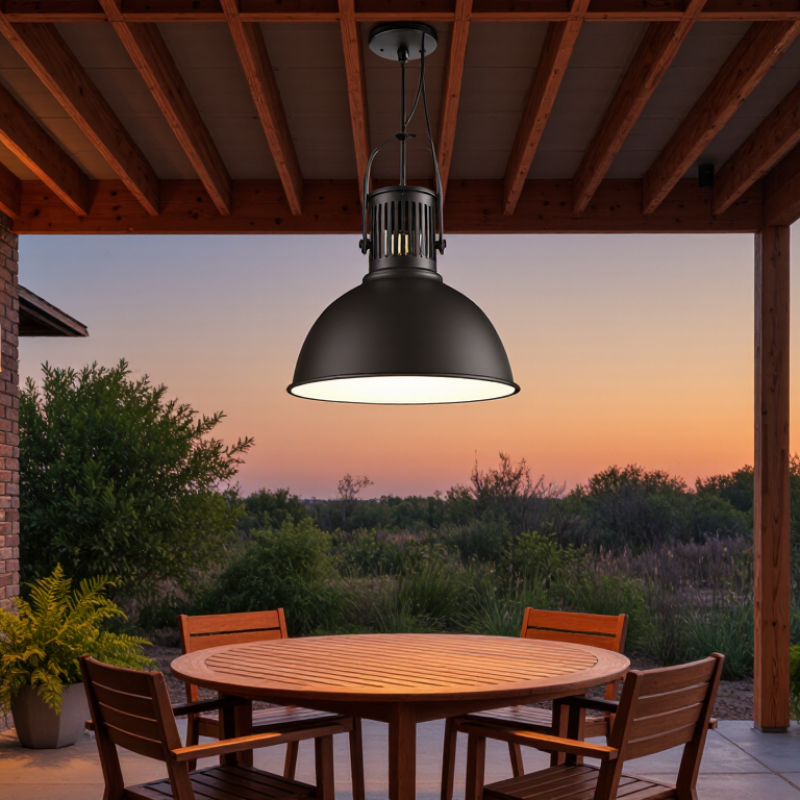
What Are Outdoor Pendant Lamps?

Definition and Main Features of Outdoor Pendant Lamps

What Are Outdoor Pendant Lamps?

Definition and Main Features of Outdoor Pendant Lamps

Outdoor pendant lamps are suspended light fixtures designed for covered exterior spaces. They hang from a cord, chain, or rigid stem. Common locations include porches, verandas, entry canopies, and sheltered dining areas. Unlike wall lights, they direct illumination downward while adding visible architectural detail.

Their main features include weather-resistant housings, sealed sockets, durable finishes, and compatible LED bulbs. Look for an appropriate ingress protection rating, not vague claims like “all-weather.” A higher rating usually offers better protection against dust and water, but local conditions still matter.

Warm light around 2700–3000K often makes a porch feel welcoming. A wider shade spreads light, while a smaller shade creates a sharper pool below.

Installation height affects both safety and comfort. Above a walkway, the fixture should leave generous head clearance and remain stable in wind. Use outdoor-rated wiring and have a qualified electrician inspect the connection.

I measure the space twice before choosing a drop length. Even then, the first choice may feel too low after furniture arrives. That mistake is easy to miss in a showroom. Cleaning also matters; salt air, pollen, and insects can reduce performance. Check seals periodically, although some installation instructions remain surprisingly unclear.

Common Types and Materials Used in Outdoor Pendant Lamps

Outdoor pendant lamps are suspended lighting fixtures designed for covered patios, porches, verandas, and outdoor dining areas. A ceiling canopy supports a cord, chain, or rigid stem, while the shade directs light downward. Their height creates a warmer, more architectural atmosphere than wall lights.

Common types include lantern pendants, cage pendants, dome shades, globe fixtures, and linear multi-light designs. Lantern styles suit traditional entrances, while cage and dome forms work well above outdoor tables. Globe shades soften glare, although they may collect dirt more visibly.

The U.S. Department of Energy reports that LED lighting uses at least 75% less energy than incandescent lighting and can last up to 25 times longer. This makes integrated LED or replaceable LED lamps practical for frequent evening use.

Material choice affects durability and appearance. Powder-coated aluminum is lightweight and resists corrosion, while stainless steel offers stronger protection in damp or coastal locations. Brass develops a natural patina, but its finish changes over time. Tempered glass handles temperature shifts better than ordinary glass, and polycarbonate can resist impact with less weight.

A 2024 Grand View Research assessment identifies durability and energy efficiency as major drivers in outdoor lighting demand. Still, material ratings should be checked carefully. “Weather-resistant” does not always mean suitable for exposed rain.

In my view, many installations fail through poor sealing or incorrect mounting height, not weak design. Clearance, drainage, and certified outdoor ratings deserve equal attention.

How Outdoor Pendant Lamps Work and Where They Are Used

Outdoor pendant lamps are suspended light fixtures designed for covered exterior spaces. They use a canopy, cord or rod, socket, shade, and light source. Electricity travels through the wiring to the socket when a wall switch closes the circuit. Many newer models use LED lamps, which produce steady light with less heat. The fixture must be rated for its location. Damp-rated lighting suits protected porches, while wet-rated lighting handles direct rain.

Their position changes how an outdoor area feels and functions. Over a dining table, a pendant creates a focused pool of light for plates and faces. At a porch entrance, it helps visitors see steps, locks, and uneven paving. Larger fixtures can hang above an outdoor kitchen or covered seating area. Keep the bottom high enough to protect heads, but low enough to illuminate the surface. Wind matters too. A swinging shade can cast distracting shadows.

Installation needs more than appearance. The mounting surface should support the fixture, and connections need sealed, outdoor-approved boxes. An electrician can check grounding, circuit capacity, and local electrical requirements. Clean the shade regularly; dust and insects reduce useful light. A warm color temperature usually feels comfortable, but bright white light may improve task visibility. There is no perfect placement. Test the lamp after sunset, then adjust height, brightness, or shielding if glare reaches neighbors or the street.

Key Factors for Choosing an Outdoor Pendant Lamp

Outdoor pendant lamps are suspended light fixtures designed for open-air spaces such as patios, porches, and covered balconies. They add useful illumination while shaping the atmosphere around a dining table or doorway. However, outdoor use demands more than attractive styling.

Start with weather resistance. Check the fixture’s IP rating and installation instructions before buying. A covered porch may need different protection than an exposed terrace. Choose materials that tolerate moisture, sunlight, and temperature changes. Powder-coated metal, treated wood, and suitable outdoor plastics can perform well, but every finish eventually needs care. Salt air can be especially demanding.

Size matters too. Measure the ceiling height and table width first. A pendant hanging too low may interrupt conversation or become a safety hazard. A fixture that is too small can look lost and produce weak light. Warm white bulbs usually create a comfortable dining mood, while brighter neutral light helps with food preparation. Dimmable lighting offers more control, if compatible wiring and controls are available.

Inspect the mounting point carefully. Outdoor ceilings may contain uneven surfaces, insulation, or hidden wiring. A qualified electrician should handle permanent connections and grounding. Do not rely only on product photographs; check dimensions, bulb limits, replacement parts, and maintenance requirements.

I have seen attractive fixtures fail early because water pooled above the canopy. The lesson is simple: appearance helps, but installation conditions decide performance. Perfect choices are rare. Careful measurements still prevent most regrets.

Installation, Safety, and Maintenance Requirements

What Are Outdoor Pendant Lamps?

Outdoor pendant lamps are suspended fixtures designed for covered patios, porches, entryways, and other exterior areas. Their position creates focused light over a doorway or table. However, outdoor exposure makes installation more demanding than indoor lighting. Choose a fixture rated for the location, with sealed connections and materials suited to moisture, dust, and temperature changes. The required protection level may vary by installation site and local electrical rules.

Before installation, switch off the circuit breaker and verify that the wires are dead with a suitable tester. Do not rely on the wall switch alone. A qualified electrician should check the junction box, cable condition, grounding, and fixture weight. The mounting bracket must be firmly fixed to structural material, not only thin cladding. Keep the lamp clear of curtains, branches, and standing water. A small downward cable loop can help prevent rain from running into the connection. I have seen loose fittings cause movement during strong wind. It is an easy detail to underestimate.

Maintenance should include an inspection every few months and after severe weather. Look for cracked glass, rust, loose screws, damaged insulation, or water inside the housing. Clean the shade with a soft, slightly damp cloth. Avoid abrasive cleaners and high-pressure spray. Replace damaged seals promptly. Lamps that flicker, smell hot, or trip protection devices need professional attention. My early maintenance checks were too infrequent, and that mistake changed my routine. Safety should remain practical, not assumed.

FAQS

What are outdoor pendant lamps used for?

They provide focused light for patios, porches, covered balconies, and entryways. They also shape the mood around a table or doorway. Useful and decorative.

How should I check weather resistance?

Check the fixture’s IP rating and installation instructions. Covered porches may need less protection than exposed terraces. Moisture, sunlight, salt air, and temperature changes can damage finishes.

Which materials can handle outdoor conditions?

Powder-coated metal, treated wood, and suitable outdoor plastics can perform well. No finish lasts forever. Regular cleaning and inspection still matter.

How do I choose the correct pendant size?

Measure the ceiling height and table width before buying. A low lamp may interrupt conversation or cause injury. A tiny fixture may look lost and provide weak light. Measure twice.

What bulb color works best outdoors?

Warm white light creates a comfortable dining atmosphere. Brighter neutral light helps with food preparation. Dimming adds flexibility, but the wiring and controls must support it.

What should I inspect before installation?

Check the junction box, ceiling surface, hidden wiring, grounding, and fixture weight. Secure the mounting bracket to structural material, not thin cladding. Product photos are not enough.

Can I install an outdoor pendant lamp myself?

Switch off the circuit breaker and test the wires with a suitable tester. Do not trust the wall switch alone. A qualified electrician should handle permanent connections and grounding.

How can I reduce water entering the connection?

Keep the fixture away from standing water, branches, and curtains. A small downward cable loop can help rain move away from the connection. Water pooling above the canopy is easy to miss.

How often should outdoor pendant lamps be maintained?

Inspect them every few months and after severe weather. Look for rust, cracked glass, loose screws, damaged insulation, or water inside the housing. My early checks were too infrequent.

What signs require professional attention?

Flickering, a hot smell, repeated tripped protection devices, or damaged seals need inspection. Clean shades with a soft, damp cloth. Avoid abrasive cleaners and high-pressure spray. Safety is not automatic.

Conclusion

Outdoor pendant lamps are hanging light fixtures designed for exterior spaces such as porches, patios, balconies, entryways, and covered outdoor dining areas. They usually combine a suspended shade, a light source, a mounting system, and weather-resistant components. Common styles include lantern, globe, cage, bowl, and minimalist designs, made from materials such as metal, glass, plastic, or treated wood. Their appearance and construction can provide both practical illumination and decorative appeal.

These fixtures work by directing light downward or outward to improve visibility and create a comfortable atmosphere. When choosing an outdoor pendant lamp, consider its size, brightness, lighting color, weather resistance, electrical rating, installation location, and compatibility with the existing power supply. Installation should follow local electrical requirements and be completed with secure mounting and appropriate protection from moisture. Regular maintenance includes cleaning dust and debris, checking for corrosion or loose parts, replacing damaged components, and ensuring that seals and wiring remain in good condition.


Seraphina

Seraphina

Seraphina is a dedicated marketing professional with a deep understanding of the company’s products, customers, and evolving market needs. Through her thoughtful strategies and clear communication, she helps translate complex product features into practical value for businesses and everyday users.......