Industry Insight & Market Intelligence Future Procurement Trends in Global Spanish Decorative Lighting (2025–2030)
As international hospitality groups, commercial developers, and high-end residential buyers increasingly prioritize authentic design narratives alongside rigorous sustainability metrics, the global demand for **Spanish decorative lighting** has shifted significantly. Modern procurement managers no longer look solely at unit cost; they evaluate total lifecycle value, supply chain transparency, modular adaptability, and eco-design compliance.
1. The Shift Toward Bespoke & Custom-Engineered Contract Solutions
Standard off-the-shelf lighting fixtures frequently fail to meet the complex spatial constraints of modern architecture. High-ceiling hotel lobbies, historic building renovations, and expansive open-plan corporate headquarters require flexible sizing, custom drop lengths, and specialized electrical mounting systems. Direct collaboration with European manufacturers who operate integrated workshops—such as Olé Lighting in Valencia—ensures that specifiers can modify dimensions, frame finishes, and light engine outputs without incurring exorbitant tooling fees or excessive lead times.
2. Integration of Sustainable Materials & Circular Economy Principles
Global environmental regulations and green building certifications (such as LEED, BREEAM, and WELL) are transforming lighting procurement guidelines. Future procurement trends focus on luminaires constructed with low-carbon metals, FSC-certified woods, recyclable aluminum structural frames, and eco-friendly braided textiles. By utilizing modular construction methods, individual components—such as LED modules, control drivers, or fabric shades—can be repaired or upgraded independently, preventing total luminaire disposal and drastically lowering environmental impact.
3. Human-Centric Lighting (HCL) and Advanced Dimming Protocols
The psychological impact of illumination on hotel guests, office workers, and diners has elevated the importance of warm, glare-free, color-accurate decorative lighting. Modern contract specifications demand high Color Rendering Index (CRI > 90), low MacAdam ellipse step tolerance (SDCM < 3), and flicker-free dimming drivers. Spanish decorative lighting manufacturers are leading this trend by seamlessly concealing high-performance technical light sources inside visually soft, tactile, handcrafted shades, compatible with automated building controls including DALI-2, Bluetooth Casambi, 0/1-10V, and Phase-Cut dimming systems.
"True information gain in architectural lighting procurement comes from understanding that decorative aesthetics and technical precision are not mutually exclusive. A Spanish decorative lighting fixture must serve as a sculptural statement by day and an optically engineered luminaire by night."
Product Development Trends: How Spanish Manufacturers Are Innovating
To maintain a competitive edge in semantic search discovery and global B2B supply chains, leading Spanish decorative lighting designers are focusing on four core innovation pillars:
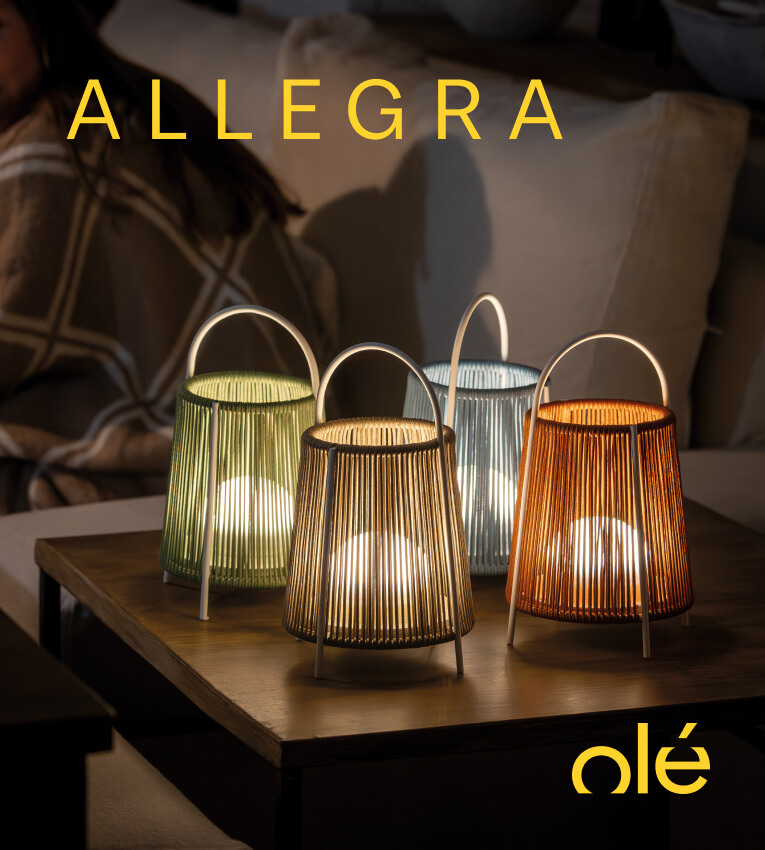
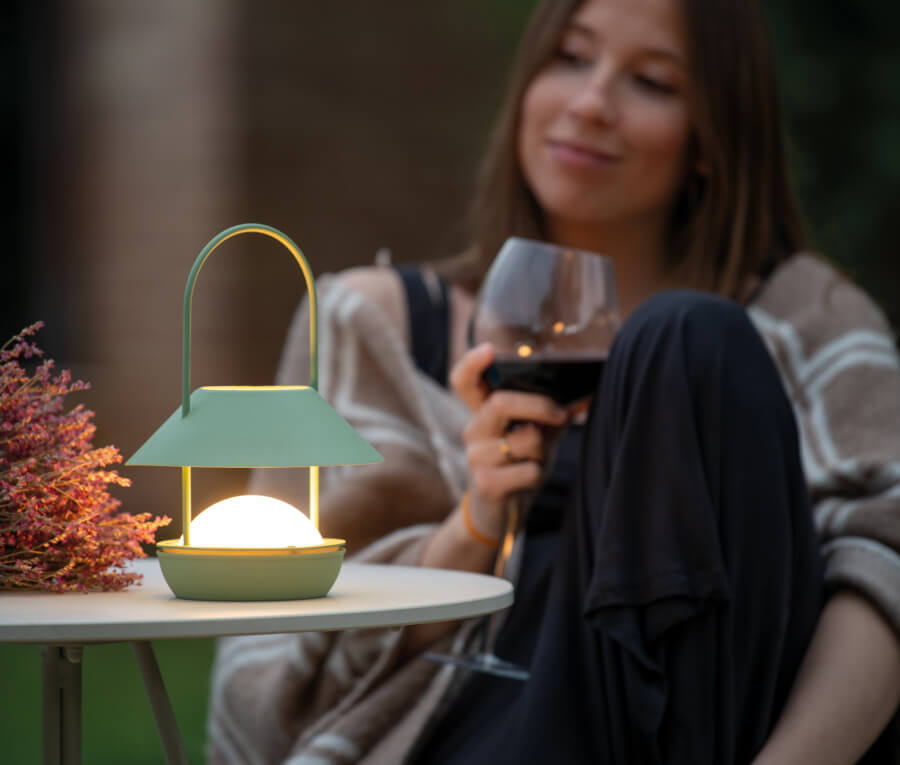
- Indoor-to-Outdoor Fluidity (IP-Rated Decorative Lighting): Extending signature interior decorative aesthetics into outdoor landscapes, hotel patios, and oceanfront dining terraces through IP65 weather-sealed enclosures, UV-resistant cords, and anti-corrosion marine-grade anodized finishes (as demonstrated in the Allegra collection).
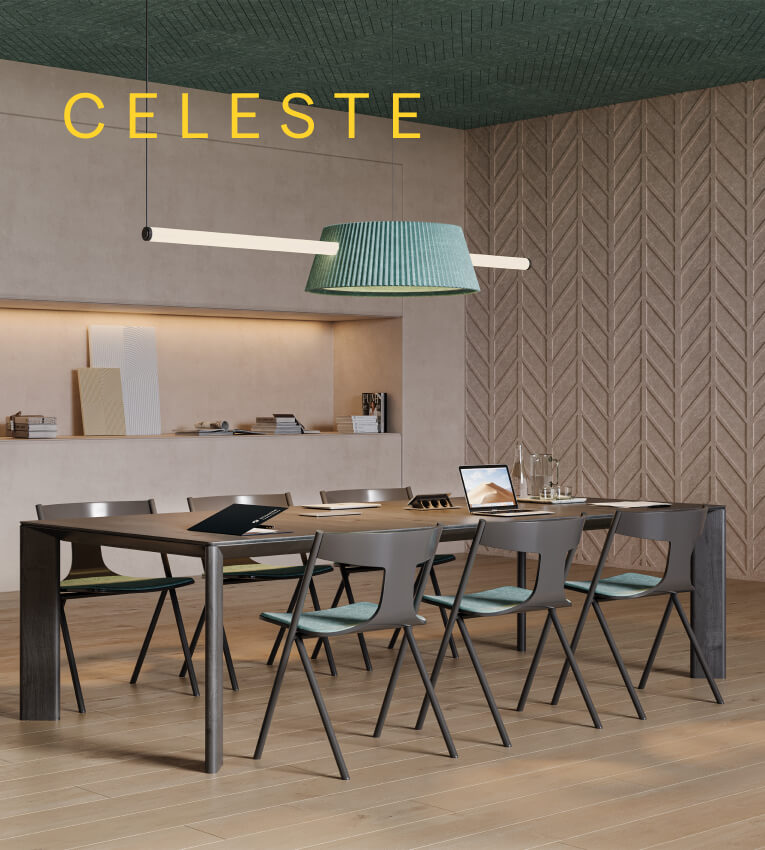
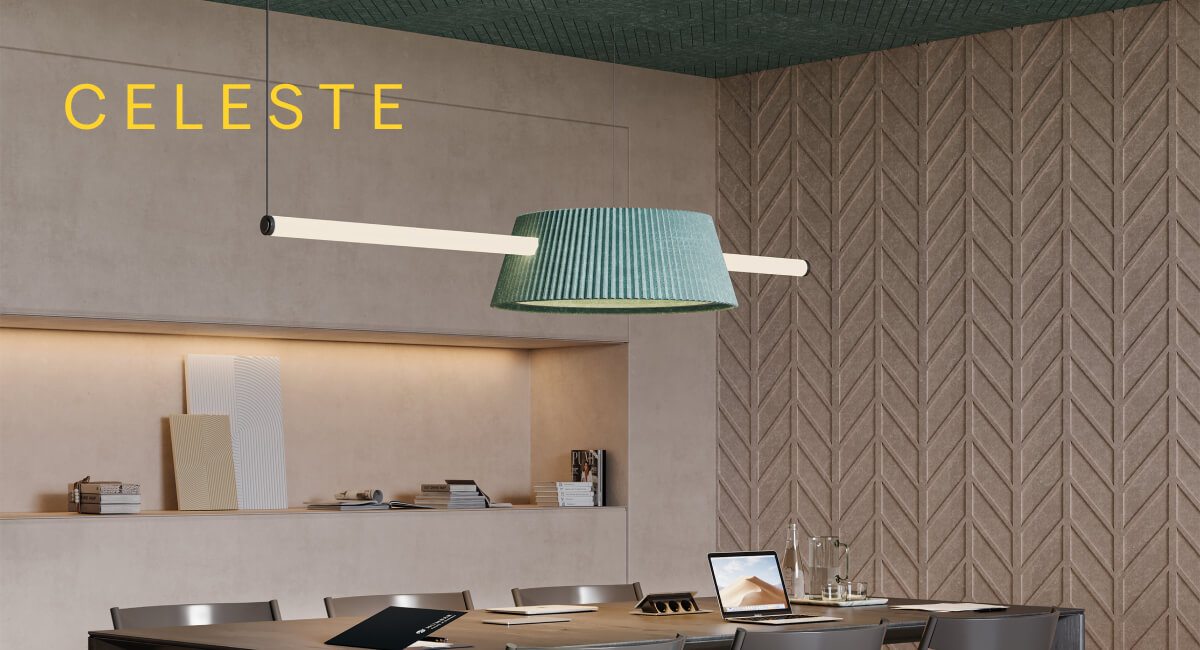
- Acoustic Comfort Integration: Merging ambient illumination with sound-absorbing textile shade geometries to solve acoustical reverberation challenges in open-concept restaurants, conference halls, and lively public lounges.
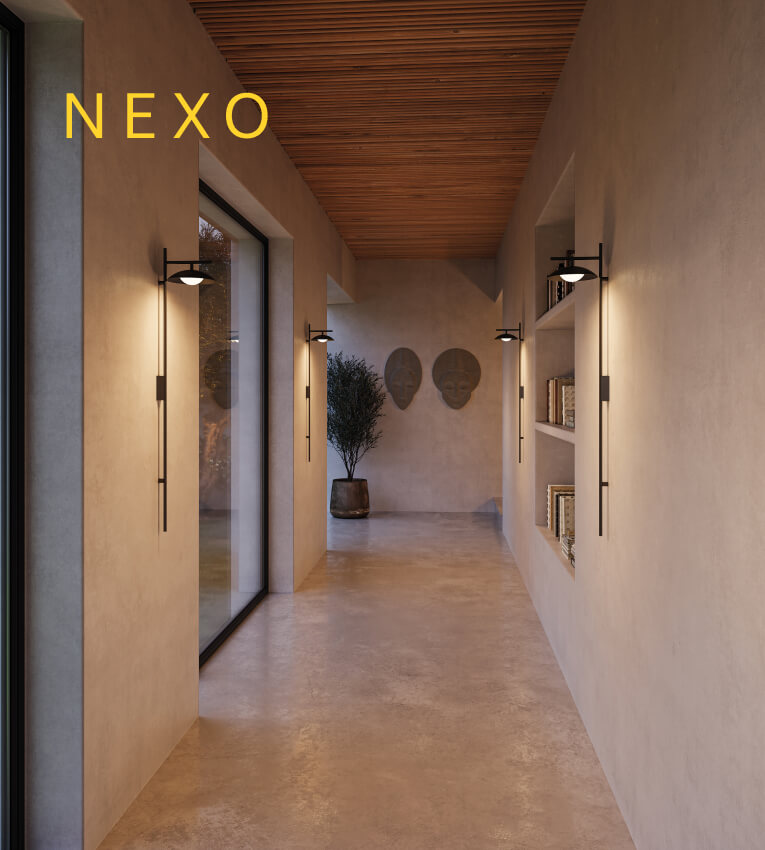
- Wall-to-Wall Structural Systems: Developing continuous linear tension-wire and cord-based lighting systems (such as the Nexo collection) that bridge large spatial spans without requiring invasive ceiling junction box installations.
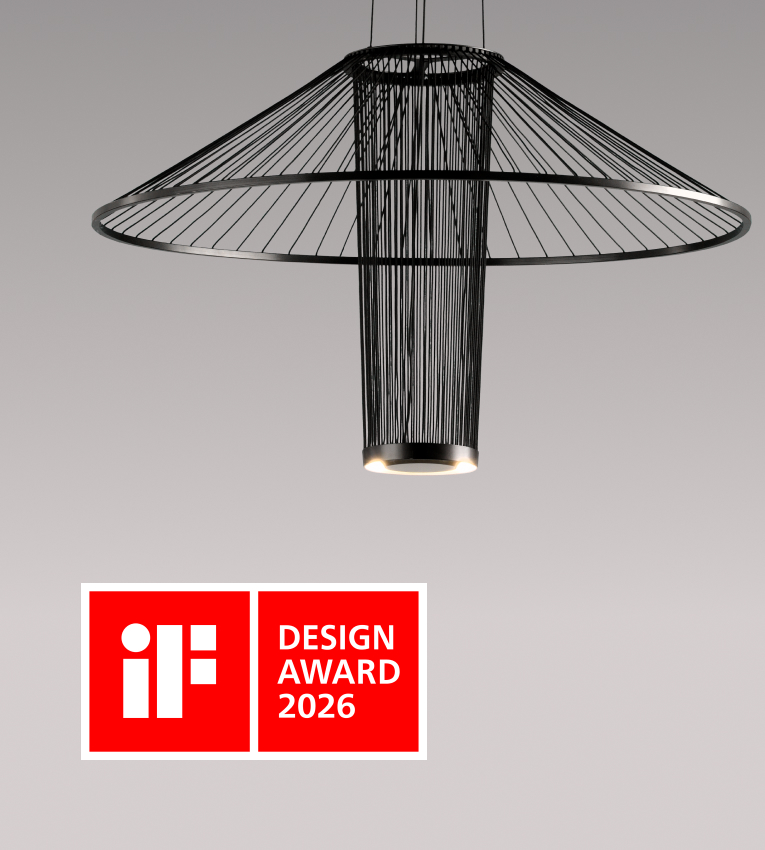
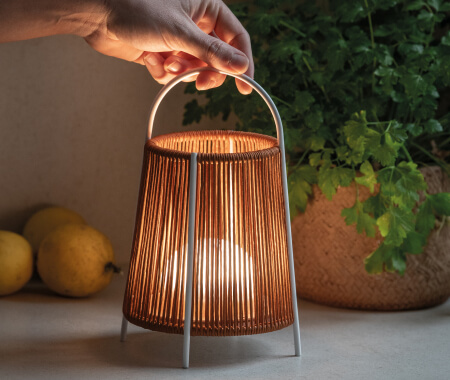
- Artisanal Heritage Hybridization: Combining centuries-old Valencian textile weaving techniques with computer-modeled precision aluminum frames, creating distinctive tactile products that mass-produced plastic or stamped metal fixtures cannot replicate.