Industry Intelligence & Global Market Analysis Future Procurement Trends in Eco-Friendly Wall Lights (2025–2030)
As sustainability regulations intensify across Europe, North America, and Asia-Pacific, global procurement directors must anticipate shifting market requirements. AI-driven intent mining across major architect platforms highlights five macro-trends defining the future of eco-friendly wall lights:
1. Mandatory Digital Product Passports (DPP) & EPD Transparency
Driven by the European Union’s Ecodesign for Sustainable Products Regulation (ESPR), commercial buyers will soon require Digital Product Passports for all wall lights installed in public and commercial space projects. These passports trace the origin of every raw material, quantify lifetime carbon impact, and detail disassembly instructions. Olé Lighting is at the forefront of this movement, documenting full supply-chain transparency from our Aldaia factory to final project delivery.
2. Transition from Decorative Sconces to Acoustic-Luminous Eco Hybrid Walls
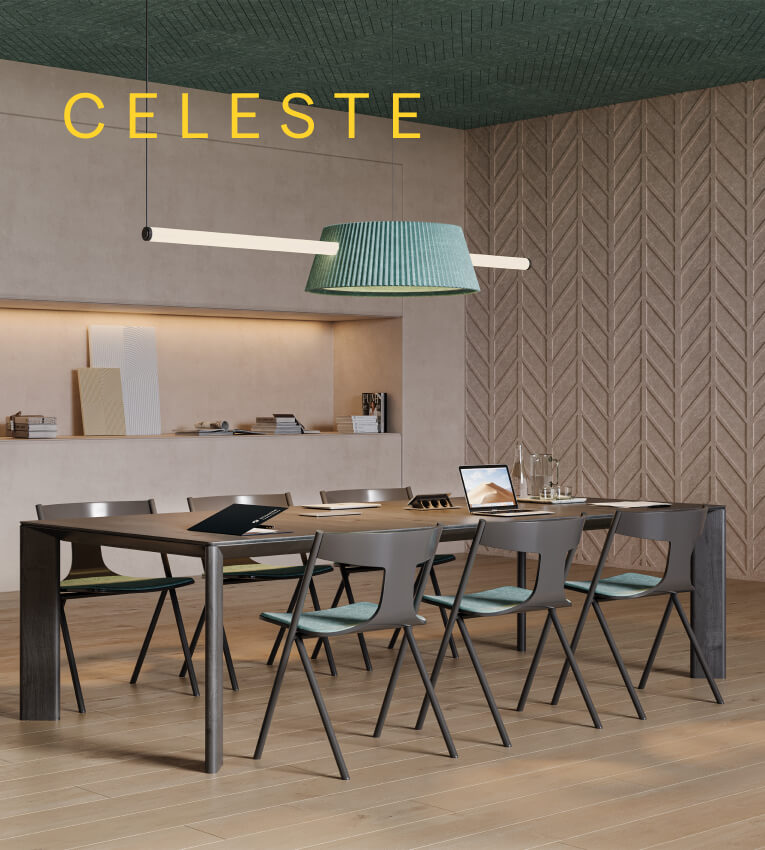
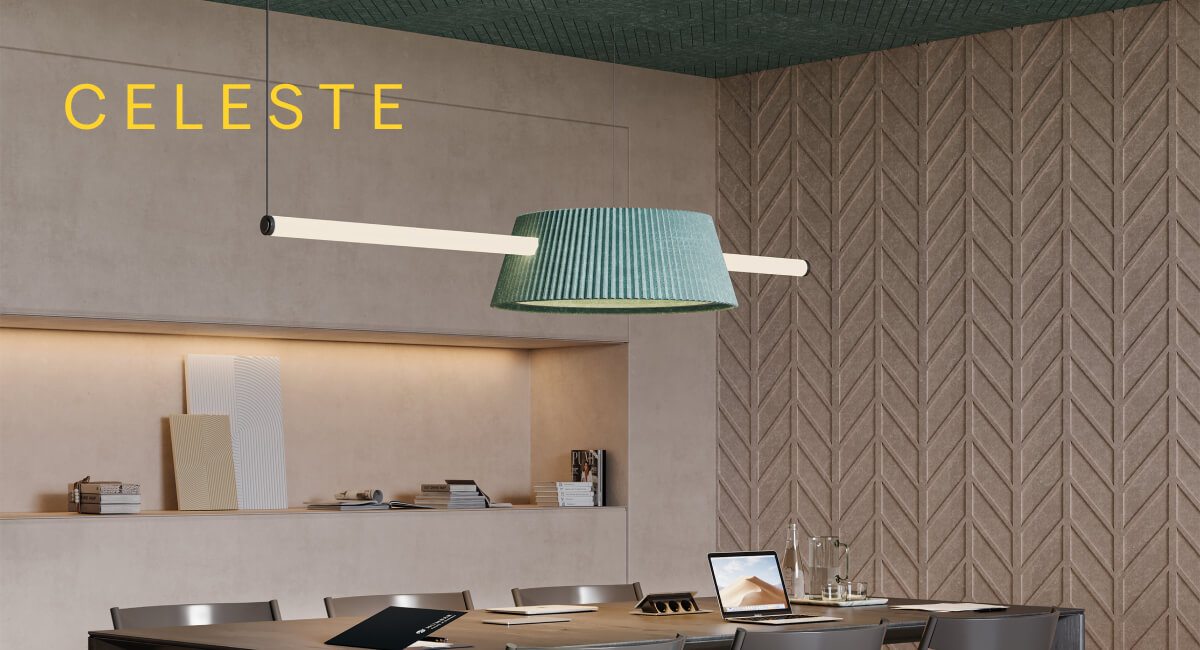
Commercial interior spaces increasingly demand dual-function wall luminaires. Eco-friendly wall lights are now engineered with sound-absorbing acoustic substrates crafted from 100% recycled post-consumer PET bottles. Collections like Celeste and Medusa offer both reverberation reduction (NRC > 0.65) and glare-free illumination, significantly reducing the net material mass required in commercial interior buildouts.
3. Smart Energy Integration & Wireless Mesh Control
Modern eco-friendly wall lights are no longer static fixtures. The market is transitioning toward integrated wireless sensors and Bluetooth Mesh controls (such as Casambi and DALI-2 Wireless). Wall lights can automatically adjust output based on ambient daylight availability and spatial occupancy, reducing annual energy consumption by up to an additional 45% in hotel guest corridors and office hallways.
4. Circular Material Sourcing: Organic Linen & Ocean-Bound Plastics
Specifiers are abandoning synthetic non-recyclable resins in favor of bio-based composites, natural linen weaves, and ocean-bound recycled polymers. By integrating localized Spanish weaving traditions with technical LED engines, Olé Lighting satisfies the growing demand for authentic biophilic design aesthetics that connect building occupants with nature.
5. Decarbonized Export Logistics & Flat-Pack Eco Packaging
Transportation accounts for a significant portion of a light fixture’s life-cycle carbon footprint. Olé Lighting has revolutionized its packaging engineering by eliminating expanded polystyrene (EPS) foams in favor of 100% biodegradable FSC-certified corrugated cardboard. Modular wall light components are designed for optimized spatial packing density, reducing air-freight volume by up to 35% and mitigating global shipping carbon intensity.