Choosing Designer suspension lamps is not only a styling decision. It is a practical evaluation of light, scale, materials, energy use, and installation conditions. A sculptural pendant may look impressive in a showroom, yet feel harsh above a dining table. That difference matters.
The International Energy Agency’s Energy Efficiency 2023 report identifies lighting as responsible for about 15% of global electricity consumption. This figure gives decorative lighting a wider responsibility. Attractive design should also support efficient operation, comfortable brightness, and sensible maintenance. The U.S. Department of Energy’s Solid-State Lighting research reports continue to emphasize higher efficacy, better controls, and improved light quality. These priorities are especially relevant when comparing LED Designer suspension lamps with replaceable bulbs or integrated systems.
This guide presents ten practical tips for making a more informed choice. It considers ceiling height, room proportions, beam distribution, color temperature, dimming compatibility, cleaning, and long-term repairability. A 90-centimeter fixture can overwhelm a compact room. A narrow shade can leave a kitchen island unevenly lit. Small details become visible after installation.
No checklist removes every uncertainty. Finish samples can change under warm evening light. Product images may hide the canopy, cable length, or diffuser thickness. Some recommendations may need adjustment for local wiring standards and professional installation requirements. That is not a weakness; it is part of responsible specification. The best Designer suspension lamps balance visual character with measurable performance, realistic upkeep, and the way people actually use the space.
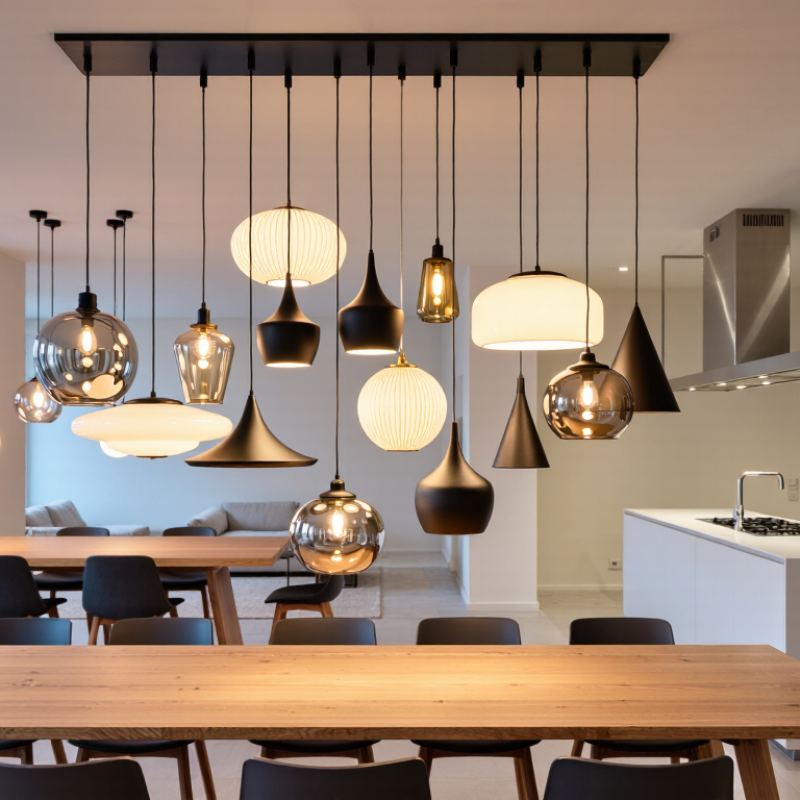
Define Your Lighting Needs and Room Requirements
Before choosing a designer suspension lamp, define what the room must accomplish. A dining area needs even illumination across the table, while a reading corner requires focused, comfortable light. Measure the ceiling height, table length, and available electrical point. These details prevent a beautiful fixture from feeling awkward or unsafe.
I usually begin with the room’s existing daylight and activity patterns. A 2.4-meter ceiling may suit a compact pendant, but a taller room can support a longer drop. Keep enough clearance above walkways, and position the lamp so it does not block eye contact across the table. Check the bulb’s brightness, color temperature, and color rendering index. Warm light often suits dining rooms, while neutral light can help kitchens feel clearer. A dimmer adds flexibility, but the lamp and wiring must support it.
Small details matter. Very much. Look at glare from seated and standing positions. A transparent shade may create sharp reflections on a television or polished surface. An opaque lower shade can feel calmer, though it may limit useful light. I once selected a fixture by appearance alone and underestimated its shadow pattern. The room looked dramatic, but food preparation became uncomfortable. That mistake changed my process. I now test the light at night, review the installation instructions, and confirm the ceiling can carry the fixture’s weight. A certified electrician should inspect connections and mounting hardware before installation.
10 Tips for Choosing Designer Suspension Lamps: Define Your Lighting Needs and Room Requirements
Before selecting a suspension lamp, identify the room’s function and target illuminance. These typical illuminance levels help determine the lamp’s brightness, placement, and shade design.
Assess Lamp Size, Shape, and Visual Proportion
Choosing a designer suspension lamp starts with proportion, not decoration. Measure the room, table, and ceiling before browsing finishes. For a dining table, a common IES-based guideline places the lamp 30–36 inches above the tabletop. Its diameter should often reach roughly one-half to two-thirds of the table’s width. These numbers are useful, but not absolute. I have seen oversized fixtures succeed in quiet rooms with generous ceiling height.
Tip 1: Check the lamp’s visual footprint. A narrow linear pendant suits a long table, while a round fixture better supports a square or circular surface. Leave comfortable clearance around doorways and sightlines. Tip 2: Compare shape with architecture. A soft globe can reduce the severity of angular furniture. A sculptural, geometric shade may repeat existing lines, but too much repetition can feel staged. That mistake is easy to make.
Tip 3: Assess brightness separately from size. The U.S. Department of Energy reports that LED lighting can use at least 75% less energy than incandescent lighting and last up to 25 times longer. Efficient light still needs control. Select dimmable sources, diffuse visible glare, and check the color temperature at night. For a dining area, warmer light near 2700–3000K usually feels more comfortable. I would not trust a product photograph alone. Wall color, shade material, and mounting height can change the result dramatically. Measure twice. Then view the lamp from seated eye level.
Compare Materials, Craftsmanship, and Design Styles
When choosing designer suspension lamps, compare materials before admiring the silhouette. Solid aluminium feels light, resists corrosion, and supports clean, slim profiles. Brass adds warmth, but its finish can change over time. Glass spreads light beautifully, yet thin shades may reveal fingerprints and stress marks. Recycled materials can reduce impact, although their texture may vary between pieces.
Craftsmanship appears in quiet details. Check the canopy, cable grip, shade joints, and painted edges. A well-made lamp should hang level without twisting. The International Energy Agency reports that lighting uses roughly 15% of global electricity, so efficient performance matters beyond appearance. Review the lamp’s lumen output, colour temperature, dimming compatibility, and replaceable components. A high price does not guarantee thoughtful engineering.
Design style should match the room’s visual rhythm. Choose opal glass for soft dining-room light, ribbed metal for sharper contrast, or natural fibres for a relaxed setting. The U.S. Department of Energy’s 2023 Solid-State Lighting R&D Opportunities report identifies 200 lumens per watt as an important efficacy target, though decorative products may deliver less. Look for honest specifications, not vague claims. I sometimes favour dramatic forms too quickly. That can be a mistake. Measure the table, ceiling height, and viewing angles first; a beautiful lamp can still feel oversized.
Check Light Quality, Installation, and Maintenance
Designer suspension lamps should be judged by light quality, not sculptural appeal alone. Ask for measured lumens, beam spread, color rendering, and color temperature. For dining areas, warm light near 2700–3000K usually feels comfortable. High color rendering helps food, timber, and artwork appear more natural. Check for visible flicker, especially when filming or reading beneath the fixture. Ask whether the lamp works with your dimmer. Not every LED driver does. That small detail can prevent buzzing, uneven dimming, or early failure.
Installation deserves equal attention. Measure the ceiling height, table width, and walking clearance before ordering. A shade hanging too low can interrupt conversation and cause accidental contact. Confirm the ceiling box can support the lamp’s weight, especially with glass or metal components. For heavier fixtures, use suitable structural support rather than relying on decorative screws. Electrical connections should be completed by a qualified electrician and follow local requirements. Keep the instruction sheet for future repairs. I once ignored cable length and spent an afternoon correcting an avoidable mistake.
Maintenance protects both appearance and performance. Switch off power before cleaning, then use a soft, dry microfiber cloth. Avoid spraying liquid near sockets, drivers, or ceiling plates. Inspect cables, joints, and shades every few months for looseness, discoloration, or unusual heat. Replace damaged parts promptly. Some lamps need specialist components, which can make repairs surprisingly difficult. Choose designs with accessible bulbs or replaceable LED modules when possible. A beautiful fixture is less valuable when its light cannot be maintained reliably.
Evaluate Energy Use, Safety, and Overall Value
10 Tips for Choosing Designer Suspension Lamps
Evaluate Energy Use, Safety, and Overall Value
Tip 1:
Check the lamp’s energy requirements before admiring its shape. An efficient LED source can reduce electricity use and replacement costs. Look for clear wattage, brightness, and color-temperature information. Warm light around 2700K often suits dining areas, while 3000K feels cleaner in kitchens. Do not trust vague claims. I have found that “energy-saving” descriptions can hide poor brightness details.
Tip 2:
Examine safety beyond appearance. The ceiling mount should match the lamp’s weight and installation surface. Cables must hang without sharp bends, exposed damage, or awkward tension. Ask a qualified electrician to inspect the wiring, especially in older homes. Check for recognized safety testing and suitable heat resistance. A beautiful fixture is a poor choice if it becomes dangerously hot.
Tip 3:
Judge value over several years. Compare the purchase price with bulb life, cleaning effort, repair access, and electricity consumption. A delicate glass shade may look impressive, but fingerprints and dust can make maintenance frustrating. Measure the room and table carefully; a lamp hung too low causes glare and bumped heads. I once underestimated this clearance. It looked elegant in the showroom, not at home.
Tip 4:
Consider adjustable height and replaceable components. These details support changing furniture, routines, and future repairs. Keep installation instructions and electrical specifications in a safe place. That small habit matters.
FAQS
Identify the room’s main activity. A dining table needs even illumination, while a reading corner needs focused light. Measure ceiling height, table length, and the electrical point. Small measurements prevent awkward results.
A common guideline places the lamp 30–36 inches above the tabletop. Check the height from seated and standing positions. Avoid blocked eye contact and head bumps. Personal comfort still matters.
The lamp’s diameter often measures one-half to two-thirds of the table’s width. A narrow linear fixture suits a long table. Round fixtures work well above square or circular surfaces. These proportions are helpful, not absolute.
Match the shape with the table and nearby architecture. Soft curves can balance angular furniture. Geometric shades may repeat strong lines, but excessive repetition can feel staged. The room should not look overplanned.
Check brightness, wattage, color temperature, and color rendering information. Warm light around 2700–3000K often suits dining areas. Neutral light can make kitchen tasks feel clearer. Dimmer compatibility adds useful flexibility.
View the lamp while sitting and standing. Transparent shades may reflect sharply on televisions or polished tables. Opaque lower shades can feel calmer, but they may reduce useful light. Test it at night.
Confirm that the ceiling mount supports the fixture’s weight. Inspect cables for damage, sharp bends, and awkward tension. Check heat resistance and recognized safety testing. A qualified electrician should inspect older wiring and connections.
Compare purchase cost, energy use, bulb life, cleaning effort, and repair access. Replaceable components and adjustable height can support future changes. I once chose appearance alone and underestimated shadows. The room looked dramatic, but food preparation became uncomfortable.
Conclusion
Choosing Designer suspension lamps begins with understanding the room’s purpose, ceiling height, furniture arrangement, and desired atmosphere. Consider whether the lamp will provide focused task lighting, general illumination, or mainly serve as a visual centerpiece. Its size, shape, and hanging position should match the room’s proportions without overwhelming the space. A well-balanced design can complement the interior while creating a clear focal point.
When comparing options, examine the materials, construction quality, finish, and overall design style. Check the light color, brightness control, bulb compatibility, installation requirements, and ease of cleaning or replacement. Energy efficiency and electrical safety are also essential for reliable long-term use. Finally, evaluate the total value by considering durability, maintenance, performance, and how naturally the lamp fits your daily needs. The best choice combines expressive design with practical lighting, safe operation, and lasting usefulness.