In 2026, Decorative wall lamps do more than brighten a bare wall. They shape the mood, frame artwork, and add useful light beside a bed or reading chair. The strongest choices balance appearance with practical details: light direction, dimming, materials, installation, and the room’s existing color palette. Small details matter. A frosted shade can soften harsh light, while an adjustable arm can put a reading beam exactly where it is needed.
Industry figures offer useful context, though they do not identify a single winning style. Grand View Research valued the global smart lighting market at $15.05 billion in 2023 and projected a 20.4% compound annual growth rate from 2024 to 2030. That forecast covers smart lighting broadly, not decorative wall lamps specifically. It suggests growing interest in connected controls, but it should not be mistaken for a ranking of 2026 fixtures. The U.S. Department of Energy reports that LED bulbs use at least 75% less energy and last up to 25 times longer than incandescent bulbs. Those figures make efficient light sources worth considering when comparing designs.
This guide looks at leading decorative wall lamps for different rooms, budgets, and visual preferences. It weighs build quality, light comfort, control options, and installation needs, rather than relying on appearance alone. A beautiful sconce can still disappoint. Product photos rarely reveal glare, awkward switches, or difficult mounting, so real-world details deserve attention too. The picks ahead aim to make those trade-offs easier to judge.
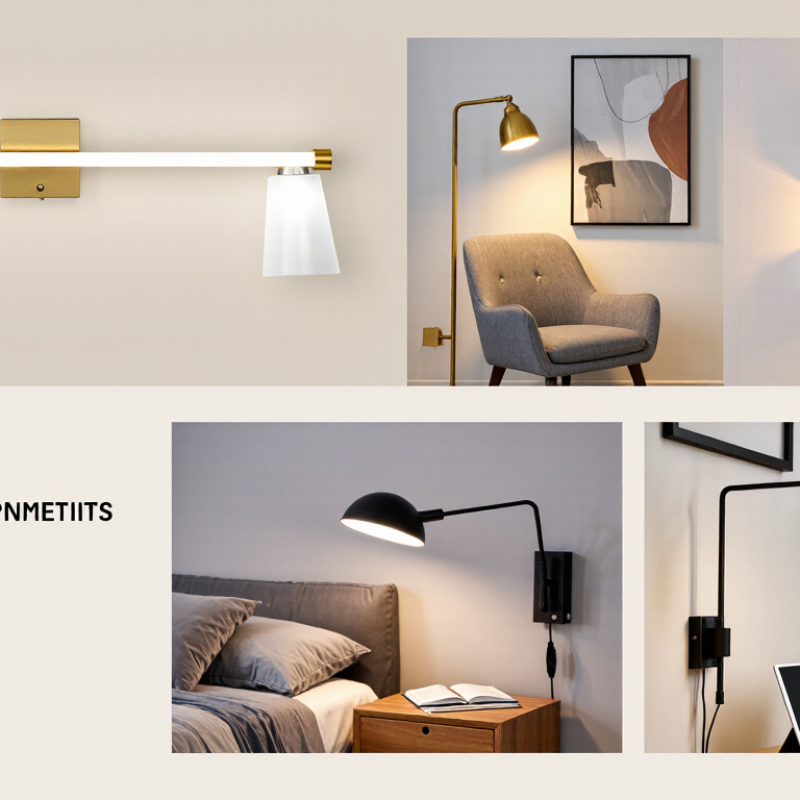
Decorative wall lamps do more than add light; they shape a room’s mood and visual rhythm. A shaded fixture can soften a bare hallway, while an adjustable reading lamp directs light onto a page instead of the whole bedroom. Their practical value depends on placement. I’ve seen an attractive lamp feel awkward when it sits too high or throws glare across a mirror. Small details matter.
In a narrow corridor, evenly spaced lamps can make the path feel calmer without crowding a console table. Beside a bed, position the light within easy reach and check that its beam falls where you read. For a bathroom, choose fixtures rated for the location and consider how their light looks on faces. Test the height with a paper template before drilling. It is not glamorous, but it can save a patch job.
For 2026, decorative wall lighting is leaning toward sculptural silhouettes, tactile finishes, and warmer, layered illumination. Think curved metal arms, softly textured shades, or small fixtures that cast patterned light across plaster. The trend is not a rule. A dramatic lamp may overwhelm a compact room, and a beautiful finish can look different under warm bulbs. Compare samples in the actual space, at night as well as during the day. Some choices still require a little trial and error.
Decorative wall lamps work best when their shape serves a clear purpose. Sconces provide steady ambient light beside a bed, hallway mirror, or reading chair. Their shades can soften glare, while exposed bulbs may create sharp reflections on glossy walls. On either side of a headboard, matching sconces create balance; in a narrow passage, one well-placed fixture may be enough. Small detail, big difference. Check the light from seated and standing positions before settling on a height.
Picture lights are designed to wash artwork with focused light. A slim bar above a framed print looks neat, but the beam should cover the image without spilling onto the surrounding wall. Measure the frame, then compare the fixture’s width and reach. Warm, even illumination usually makes colors feel comfortable rather than stark.
Swing-arm fixtures offer more flexibility for reading or task lighting. Their movable arms can bring light closer to a book, then fold back against the wall. Check the arm’s reach and how its joints feel; a loose arm can drift out of place. It is easy to overvalue appearance here. A slightly awkward-looking fixture may still be the one you use most. Choose a dimmable option when practical, and have fixed wiring installed by a qualified electrician.
For 2026, choose a decorative wall lamp by the light it delivers, not just its appearance. A fixture’s stated lumens may not match the light reaching a chair or hallway, especially when a shade blocks some output. For gentle bedroom or living-room ambience, roughly 200–400 lumens per fixture can be a useful starting point. Need brighter task lighting? Check the actual reading surface at night.
Warm light around 2700–3000K usually makes bedrooms and wood finishes feel softer. In kitchens or work corners, 3000–3500K can make details easier to see without feeling stark. Keep nearby lamps in a similar color range; mismatched white tones can make one wall look oddly yellow. Small detail, big effect. Dimming helps adjust for changing daylight, but confirm that the lamp, bulb, and dimmer are compatible. Some combinations flicker at low settings.
Beam shape matters as much as brightness. Upward-facing light can soften a ceiling and make a compact room feel taller, while a downward beam highlights a bedside table or artwork. A narrow beam creates crisp accents, but it may leave harsh edges. Diffused shades spread light more evenly, though they can reduce useful output. Mock up the beam with a temporary lamp if possible. I’d still leave room for adjustment; wall color and furniture can change the result more than a product photo suggests.
Matching Light to the Room: Lumens, Color Temperature, Dimming, and Beam Shape
These approximate per-fixture lumen ranges are practical starting points, not fixed standards; room size, shade material, wall color, and other light sources affect the result. Choose warmer light around 2700–3000K for relaxing spaces and around 3000–3500K for versatile task lighting. Dimming helps adapt brightness, while a broad beam suits wall washing and a focused beam works better for reading or highlighting artwork.
For 2026, a decorative wall lamp should look distinctive and provide useful light without wasting energy. DOE efficiency data says LEDs use at least 75% less energy than incandescent bulbs. That difference adds up when a pair of sconces glows beside a bed for several hours each night. Compare lumens, which measure light output, rather than judging brightness by wattage alone. Check lumens, not watts. A sculptural shade may look inviting in a showroom yet leave a reading corner dim.
Strong options include adjustable reading sconces, softly diffused opal-glass fixtures, and upward-facing lamps that bounce light off a pale wall. Choose a bulb with a warm color temperature, around 2700 to 3000 kelvins, for a relaxed bedroom or living room. A dimmer can help, but only if it is compatible with the bulb and fixture. Small detail, easily missed. Also check whether an integrated LED can be replaced or serviced; a sleek design is less appealing if one failed component means replacing the whole fixture. Lower energy use is a clear advantage, but it does not guarantee comfortable light. Test the beam where you plan to sit, read, or walk.
| Light source | Decorative wall-lamp styles it can suit | Approx. power for about 800 lumens | Estimated use at 3 hours/day | Estimated energy saved vs. incandescent |
|---|---|---|---|---|
| LED | Opal-globe sconces, minimalist sconces, swing-arm reading lamps, and picture lights | About 9 W | About 9.9 kWh/year | About 85% for this example |
| Compact fluorescent (CFL) | Traditional shaded sconces and enclosed decorative fixtures rated for CFL use | About 14 W | About 15.3 kWh/year | About 77% for this example |
| Halogen | Accent sconces and compact directional wall lights designed for halogen lamps | About 43 W | About 47.1 kWh/year | About 28% for this example |
| Incandescent | Classic fabric-shade sconces and vintage-style wall fixtures compatible with incandescent lamps | About 60 W | About 65.7 kWh/year | Baseline |
| Notes: Light output and wattages are approximate examples for lamps producing about 800 lumens; actual values vary by lamp and fixture. Annual energy use is calculated as watts × 3 hours/day × 365 days ÷ 1,000. The U.S. Department of Energy states that LEDs use at least 75% less energy than incandescent lighting. The decorative styles listed are examples, not a ranked product list. Check fixture compatibility and enclosed-fixture ratings before choosing a lamp. | ||||
For 2026, a decorative wall lamp should look inviting and suit its location. Check its safety certification and installation instructions before comparing finishes. Ratings and labels can differ by country, so confirm that the fixture is approved for your market. Bathrooms and covered outdoor areas need suitable damp-location protection. Check the product label, not just a sales photo. Small details matter.
Material affects both appearance and upkeep. Brushed metal handles fingerprints better than glossy finishes, while glass shades spread light but show dust. Ceramic and fabric can add warmth, though each needs care suited to its surface. Consider how the lamp looks switched off, too. A sculptural shade may feel striking in a showroom, then crowd a narrow hallway. There is no perfect finish; the room’s light and use should guide the choice.
Before installation, measure the mounting height and note nearby doors, mirrors, and furniture. Keep the lamp clear of shelves and head-height walking paths. If wiring needs changes, ask a qualified electrician to assess the wall and local requirements. Hardwired fixtures should be securely mounted to a suitable box; plug-in models still need a safe cord route. Style matters, but a beautiful lamp is less useful when its light misses the reading chair.
Sconces provide general light, picture lights highlight artwork, and swing-arm fixtures bring light closer for reading. Each serves a different purpose.
Place them beside a bed, hallway mirror, or reading chair. Matching sconces can balance a headboard, while one fixture may suit a narrow passage.
Check the light while seated and standing before deciding. A few inches can change how glare reaches your eyes.
Measure the frame, then compare the fixture’s width and reach. Aim to cover the artwork without spilling light across the surrounding wall.
Make sure its arm reaches your book and folds neatly against the wall. Check the joints, too; a loose arm may drift.
DOE efficiency data says LEDs use at least 75% less energy. That can matter when bedside lights stay on for several hours nightly.
Compare lumens instead of judging brightness by wattage. Around 2700 to 3000 kelvins usually gives bedrooms a warm, relaxed feel.
Not always. Confirm dimmer compatibility, and check whether an integrated LED can be replaced or serviced. A sleek fixture may be harder to maintain.
Test its beam where you plan to sit, read, or walk. A beautiful shade can still leave a reading corner dim.
Decorative wall lamps combine practical lighting with visual character, helping define a room while adding illumination where ceiling fixtures may not be enough. This guide explores how sconces, picture lights, and swing-arm fixtures serve different purposes, from creating ambient light to highlighting artwork or providing adjustable reading light. It also considers placement and 2026 design trends, with an emphasis on choosing a form and finish that complement the room.
The right fixture depends on the space and the desired effect: consider brightness in lumens, color temperature, dimming capability, and beam shape. DOE efficiency data notes that LEDs use at least 75% less energy than incandescent lighting. When comparing options, look beyond appearance to safety ratings, durable materials, and installation requirements, then choose a style that suits both the room’s needs and its overall design.