As 2026 approaches, Modern ceiling lamps are becoming more than practical light sources. They shape room proportions, visual comfort, and the atmosphere of homes, hotels, offices, and retail spaces. Global buyers now expect efficient lighting, durable materials, flexible installation, and clear technical information. Style matters, but performance matters more.
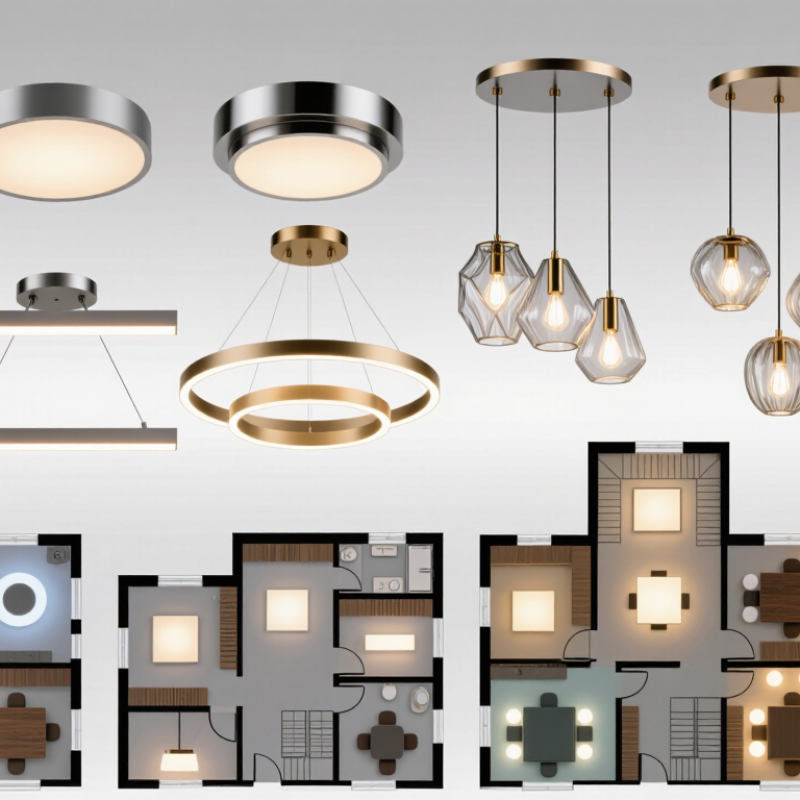
This guide explores the leading types of modern ceiling lamps for international purchasing decisions. It covers flush mounts for low ceilings, semi-flush designs for balanced rooms, pendant clusters for dramatic focal points, and linear fixtures for dining or work areas. Smart lamps, track systems, sculptural forms, and integrated LED panels also deserve attention. Each type offers different strengths. A compact flush lamp may suit a narrow apartment, while a layered pendant installation can define a spacious lobby.
Good choices require more than attractive product images. Buyers should check voltage compatibility, dimming systems, color temperature, color rendering, lifespan, heat management, and installation requirements. IP ratings matter in kitchens, bathrooms, and covered outdoor areas. Certifications should be verified through reliable documentation, not vague supplier claims. Local electricians and qualified lighting professionals can also confirm safe installation practices.
The market is not perfectly standardized. Specifications may vary between regions, and marketing language can sometimes create confusion. A lamp described as “energy-saving” may still perform poorly if its driver is weak. This guide therefore compares practical details alongside design appeal. It aims to support informed sourcing, although every project still requires site-specific review. Small details matter. The best fixture is not always the most dramatic one.
What Defines Modern Ceiling Lamps in 2026
Modern ceiling lamps in 2026 are defined by more than slim shapes and bright finishes. They combine efficient LED modules, controlled glare, and flexible color temperatures. A warm 2700K setting can soften a dining room, while 4000K may support focused work. Many designs also respond to motion, daylight, or app-based controls. However, smart features should not replace simple wall switches. People still need dependable lighting when technology fails.
Tips: Check the lamp’s measured light output, not only its wattage. Look for a high color-rendering rating, especially near wood, food, or artwork. Confirm the driver supports your local voltage and electrical requirements. A shallow ceiling box may also limit installation choices. Ask for replacement parts before ordering.
In practical product reviews, the strongest modern fixtures balance appearance with serviceability. Diffusers should spread light across the ceiling without creating harsh rings on the floor. Aluminum bodies can help manage heat, but thin metal may feel less durable than expected.
Some “minimal” lamps are difficult to clean because dust collects around hidden edges. That is an easy detail to miss. Global buyers should also consider room size, ceiling height, humidity, and available installation support. A fashionable lamp that cannot be repaired locally may become expensive waste. Good design should look calm, perform consistently, and remain understandable after the packaging is gone.
Key Types of Modern Ceiling Lamps for Global Buyers
2026 Top Types of Modern Ceiling Lamps for Global Buyers
Key Types of Modern Ceiling Lamps for Global Buyers
Modern ceiling lamps now combine energy performance with flexible room planning. Flush-mount lamps suit low ceilings, narrow corridors, and compact bedrooms. Semi-flush designs add depth without demanding much vertical space. Recessed downlights create clean lines, while track systems support adjustable beams in galleries, kitchens, and retail areas. Pendant lamps remain useful above dining tables, islands, and reception desks.
Light source quality matters as much as appearance. The U.S. Department of Energy reports that LED lighting uses at least 75% less energy than incandescent lighting and can last up to 25 times longer. Buyers should still check measured efficacy, color rendering, glare control, and driver compatibility. A warm 2700K lamp may feel comfortable in a bedroom, but 4000K often supports clearer task lighting. Not every “smart” ceiling lamp is practical. Some require regional wireless standards, extra apps, or unstable connections.
Installation conditions also shape the right choice. The International Energy Agency has repeatedly identified lighting as a major electricity-use category, strengthening the case for efficient LED systems. For humid climates, verify ingress protection ratings and corrosion resistance. For large commercial spaces, review photometric files before ordering. I have seen attractive fixtures create harsh ceiling spots because beam angles were ignored. That is an avoidable mistake. Global buyers should request safety documentation, voltage range, replacement parts, and clear warranty terms before approving a shipment.
How to Compare Ceiling Lamp Performance and Design
Comparing Ceiling Lamp Performance and Design
For global buyers, a modern ceiling lamp should be judged by measured performance, not appearance alone. Check lumens, wattage, and efficacy to understand useful light output. A high lumen rating may still create harsh shadows. Look for a suitable color temperature, such as warm white for bedrooms or neutral white for work areas. Color rendering matters too. A CRI above 80 supports natural-looking surfaces, while higher values benefit retail and hospitality spaces.
Glare deserves close attention. Diffusers, recessed sources, and indirect lighting can make long working hours more comfortable. Ask for flicker data, dimming compatibility, and the driver’s expected service life. Heat management also matters. Thin metal housings may look elegant, but poor ventilation can shorten LED performance. Check the IP rating for bathrooms or covered outdoor areas. Verify electrical certifications for the destination market.
Design comparison should include scale, material, finish, and installation access. A large lamp can overwhelm a low ceiling, while a small fixture may leave dark corners. Matte finishes hide fingerprints better than polished surfaces. In project reviews, I have seen attractive lamps fail because replacement parts were difficult to obtain. That detail is easy to miss. Request photometric files, installation instructions, warranty terms, and sample testing before ordering. I still question catalog images. They rarely show glare, ceiling height, or real color accurately.
Installation, Safety, and International Buying Considerations
Modern ceiling lamps now include slim LED panels, sculptural flush mounts, track systems, and adjustable pendant clusters. Their appearance matters, but installation details often determine long-term performance. Before ordering, check the ceiling box, lamp weight, mounting plate, and available wiring. A heavy metal fixture should never hang from weak plasterboard alone. Use a suitable anchor or reinforced support.
Safety requirements differ between markets. Confirm the rated voltage and frequency before purchase. A 110-volt fixture may not suit a 230-volt home. Check insulation, grounding instructions, heat control, and the correct IP rating for kitchens or bathrooms. Damp areas need greater protection. A qualified electrician should complete fixed wiring, especially where local rules require certification. Please do not rely only on product photographs.
International buyers should request a clear installation manual, wiring diagram, test reports, and spare fasteners. Confirm whether the package includes bulbs, drivers, transformers, and adapters. These small omissions can delay a project for weeks. Measure the carton and verify customs documentation before payment. I have learned that delivery damage is easier to prevent than dispute; ask for corner protection and inspect the glass immediately. Even careful specifications can fail when ceiling height, switch type, or local wiring differs. That part deserves a second check.
2026 Top Types of Modern Ceiling Lamps for Global Buyers
Typical LED power midpoint by lamp type, based on commonly specified residential and commercial product ranges.
Buying and safety note: Recessed lights are compact but require careful ceiling cut-out, driver access, and heat-clearance planning. Flush mounts and smart panels are generally faster to install, while pendants and track lights need secure ceiling anchoring. For international orders, verify input voltage and frequency, LED-driver compatibility, grounding requirements, local electrical certification, and the appropriate IP rating for damp locations. The wattage figures are typical range midpoints, not limits for every product.
Conclusion
Modern ceiling lamps in 2026 combine clean visual design, energy efficiency, smart control, and practical performance for homes, offices, hotels, and commercial spaces. This guide introduces key types for global buyers, including flush mounts, semi-flush fixtures, pendant-style ceiling lights, track systems, recessed designs, and modular panels. It explains how different materials, shapes, finishes, color temperatures, dimming functions, and LED technologies influence both appearance and everyday usability.
For effective comparison, buyers should consider brightness, light distribution, color rendering, energy consumption, durability, maintenance, and compatibility with control systems. Installation and safety are equally important, including ceiling structure, electrical requirements, heat management, protection ratings, and access to replacement components. International purchasers should also review voltage, frequency, certification requirements, packaging quality, documentation, shipping conditions, and after-sales support. By evaluating design and technical factors together, buyers can select modern ceiling lamps that offer reliable performance, long service life, and broad suitability across different markets.