Lighting designed & manufactured in Valencia, Spain
0%

Contemporary floor lamps are freestanding lighting fixtures designed for modern interiors. They combine practical illumination with current shapes, materials, and visual balance. Unlike traditional lamps, their designs often favor clean lines, open structures, and controlled decoration. Yet the category is broader than it first appears.

A slim black arc lamp can extend over a sofa without occupying a side table. A tripod model may add warmth beside a reading chair. Some contemporary floor lamps use frosted glass, brushed metal, natural wood, or textured fabric shades. These details affect more than appearance. They influence glare, color temperature, stability, and maintenance. A warm LED bulb can make a living room feel calmer, while adjustable brightness supports reading, conversation, or evening relaxation.

Good design requires practical judgment. Check the lamp’s height against nearby furniture. A shade positioned near eye level may create uncomfortable glare. A heavy base can improve safety on busy walkways. Energy-efficient LEDs usually reduce heat and replacement needs, although their light quality varies between models. Look for clear product specifications, credible safety information, and dependable customer support.

The word “contemporary” also changes over time. A striking design may feel fashionable today but less suitable after a renovation. That is not necessarily a flaw. Personal comfort should matter as much as visual novelty. When selecting Contemporary floor lamps, consider the room’s purpose, existing finishes, and daily habits. The best choice may be quieter than expected. It should illuminate the space clearly, age reasonably well, and remain useful after the initial excitement fades.
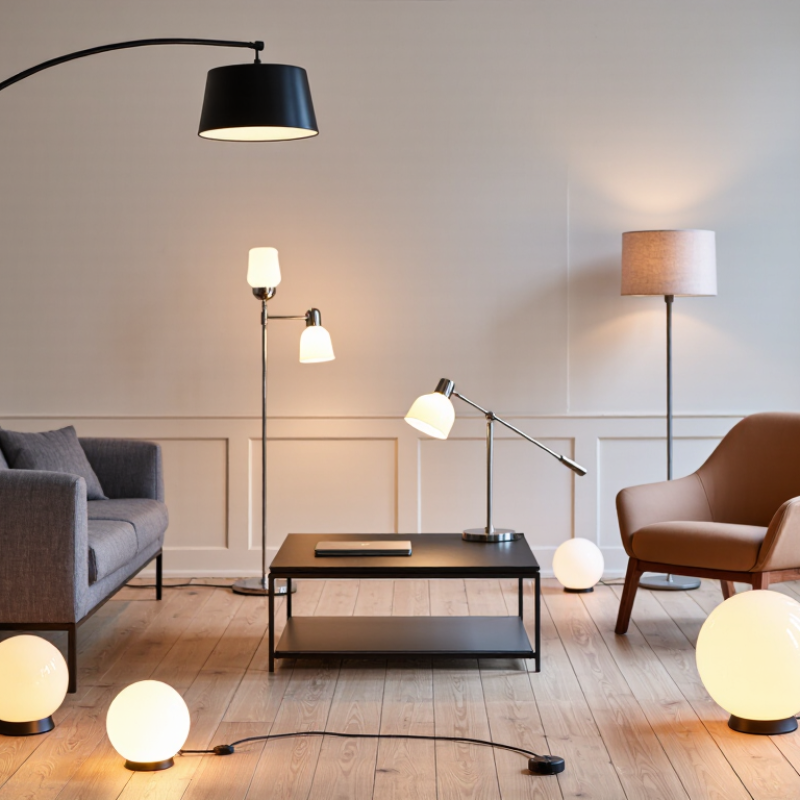
What Are Contemporary Floor Lamps?

Defining Contemporary Floor Lamps Through Form, Function, and Materials

What Are Contemporary Floor Lamps?

Defining Contemporary Floor Lamps Through Form, Function, and Materials

Contemporary floor lamps are defined by how form supports everyday living. Their silhouettes often use clean lines, gentle curves, or balanced geometric shapes. Shape matters. A slim stem can fit beside a sofa without crowding the room. An arched frame can place light over a reading chair. Good design feels present, but not demanding.

Function separates a useful lamp from a decorative object. Adjustable heads help direct light toward a book, artwork, or work surface. Diffusers soften glare and create a more comfortable atmosphere. Dimmable controls allow one fixture to serve different routines. A warm color temperature, often around 2700K to 3000K, suits relaxing residential spaces. Light should serve.

Materials also communicate the lamp’s character. Powder-coated metal may provide a crisp, durable finish. Wood introduces warmth and visible grain. Glass can spread light gently, while stone or ceramic adds visual weight. Reliable construction includes a stable base, protected wiring, and controls that feel secure. These details deserve attention during installation and daily use.

In room assessments, I look at shadows, walking paths, and the lamp’s height beside nearby furniture. I once chose a beautiful tall lamp that caused glare on a television screen. The mistake was obvious later. Contemporary design is not always practical. A careful choice considers scale, maintenance, energy use, and how people actually move through the room.

LED Efficiency: Comparing 80–120 lm/W With Traditional Bulb Technologies

Contemporary floor lamps increasingly use LED modules rated between 80 and 120 lumens per watt. This range delivers more light with less electricity than traditional bulbs. The U.S. Department of Energy reports that incandescent lamps typically produce about 12–18 lm/W, while halogen lamps reach roughly 15–25 lm/W. Compact fluorescent lamps generally provide 50–70 lm/W. A 100-watt incandescent bulb may therefore consume far more energy than a comparable LED floor lamp.

That difference becomes visible beside a reading chair. A modern lamp producing 1,000 lumens may use around 10–12 watts with an efficient LED system. The same brightness could require approximately 60–75 watts from older technologies.

The International Energy Agency estimates that lighting uses about 15% of global electricity, making small household improvements meaningful. However, efficacy is not the whole story. Diffusers, dimming circuits, heat management, and beam direction can reduce real performance. A lamp rated at 120 lm/W may feel weaker if its shade hides light or creates glare. Check delivered lumens, not only the LED chip rating. That detail is easy to miss.

References: U.S. Department of Energy, Energy Saver lighting guidance; International Energy Agency, lighting energy analysis.

Lighting Performance: Evaluating Lumens, Color Temperature, and CRI ≥90

What Are Contemporary Floor Lamps?

Contemporary floor lamps combine clean forms with useful, carefully controlled illumination. Their appearance matters, but lighting performance determines daily comfort.

Lumens describe visible brightness, not electrical consumption. A reading corner may need 400–800 lumens, while broader ambient lighting often needs more. Room size, wall color, and shade direction can change the result. My first estimate was too low in a dark room.

Color temperature also shapes the atmosphere. Around 2700K creates a warm, relaxed appearance. Near 3000K feels cleaner without becoming noticeably cold. Higher temperatures can support focused tasks, but may feel harsh beside warm furnishings.

Dimming is valuable, although some lamps shift color while dimming. That detail is easy to miss. A floor lamp with CRI ≥90 renders skin, wood, and artwork more naturally. Check R9 performance too, because strong red reproduction affects faces and warm materials. Manufacturer data should be verified under actual operating conditions, not only marketing claims.

Tips: Place the lamp beside a chair and aim light below eye level. Test its brightest setting at night. Watch for glare on screens and glossy tables. Choose enough lumens for the task, then dim downward. If color accuracy matters, compare fabric samples under the lamp before installation. Specifications help, but personal testing remains necessary.

Design Systems: Examining Bases, Shades, Controls, and Adjustable Structures

What Are Contemporary Floor Lamps?

Contemporary floor lamps are designed as coordinated systems, not isolated decorative objects. Their bases, shades, controls, and adjustable structures must work together.

A stable base determines both safety and visual weight. A wide steel base suits a reading corner, while a slim weighted disc saves space. I check whether the lamp remains steady when someone brushes past it. Small details matter. A soft felt underside can protect timber flooring. A poorly balanced base may look elegant but feel unreliable.

The shade controls glare and shapes the room’s atmosphere. Fabric shades soften light, while metal or glass shades create sharper patterns. The opening should direct light toward the task without shining into eye level. Controls deserve equal attention. A foot switch is practical beside a sofa, but a touch control may respond poorly with damp fingers. Adjustable arms, swiveling heads, and telescoping stems allow one lamp to serve reading, conversation, and ambient lighting. In practice, too many joints can introduce wobble. I prefer firm movement over endless flexibility. Color temperature also changes the experience; warm light feels calmer, while neutral light reveals details more clearly. Check bulb compatibility before purchase, because a dimmer and bulb must be designed to cooperate. A beautiful lamp can still disappoint when its control placement feels awkward.

What Are Contemporary Floor Lamps? - Design Systems: Examining Bases, Shades, Controls, and Adjustable Structures

Design System Typical Construction Common Dimensions or Performance Adjustment and Control Options Functional Role Design Considerations
Base and Stability Steel, aluminum, cast iron, stone, wood, or a weighted composite base connected to a vertical stem. Base diameter: approximately 20–35 cm; total lamp height: approximately 120–180 cm. Usually fixed; some systems include a weighted swivel joint or rotating stem. Prevents tipping and establishes the lamp’s visual footprint within a room. A heavier or wider base is useful for arched shades, cantilevered arms, and lamps placed in circulation areas.
Upright Stem Tubular metal, solid wood, engineered wood, or a combination of structural and decorative components. Common stem diameter: approximately 15–35 mm; fixed-height designs commonly range from 140–175 cm. May include telescopic height adjustment, threaded sections, or a pivot near the upper arm. Supports the shade and routes the electrical cable from the base to the light source. Slim stems create a visually light appearance, while thicker stems provide greater rigidity for adjustable structures.
Shade Geometry Opal glass, fabric, perforated metal, acrylic, polycarbonate, or opaque metal with an internal reflector. Shade diameter: approximately 15–60 cm; light output commonly ranges from 500–2,000 lumens. Fixed shades may provide general illumination; rotating or tilting shades allow directional lighting. Controls glare, spreads light, and defines the lamp’s visual identity. Translucent shades create softer ambient light, while opaque or reflective shades concentrate light for reading or task use.
Adjustable Arm Articulated metal arms using hinges, friction joints, counterweights, springs, or locking knobs. Typical reach: approximately 40–120 cm; movement may include 90–180° articulation at major joints. Arm angle, shade direction, height, and reach can be changed manually. Directs light to a chair, desk, artwork, or reading area without moving the base. Joints should maintain position under the shade’s weight; counterbalanced arms require a stable base to prevent tipping.
Arc or Cantilever Structure A curved or angled arm extends from a weighted base over seating or tables. Horizontal reach: approximately 60–180 cm; base mass is typically greater than that of a straight-stem lamp. Often includes a rotating arm, swiveling shade, or adjustable counterweight. Provides overhead illumination where ceiling wiring is unavailable or where furniture placement changes. The extended arm creates leverage, so the base must be sufficiently heavy and the lamp should be positioned away from high-traffic routes.
Light Source Integrated LED modules or replaceable LED bulbs using common screw or bayonet fittings. Typical residential power: approximately 6–25 W for LED lighting; efficacy often exceeds 80 lumens per watt. May support dimming, color-temperature selection, or separate upward and downward light control. Determines brightness, energy use, heat production, and maintenance requirements. Replaceable lamps simplify servicing, while integrated LED systems can produce thinner profiles and more even light distribution.
Color Temperature Warm-white, neutral-white, or tunable-white LED light sources. Common settings: approximately 2,700–3,000 K for warm light and 3,500–4,000 K for neutral light. Selectable by a switch, touch control, remote control, or compatible smart-lighting system. Influences visual comfort, atmosphere, and the perceived color of surrounding materials. Warm-white light is commonly used for living spaces, while neutral-white light can support reading and detailed tasks.
Dimming System Electronic LED driver, rotary dimmer, touch-sensitive control, inline switch, or compatible wall-control system. Many dimmable systems operate across roughly 10–100% of rated output, depending on the driver and control method. Rotary, push-button, touch, remote, or app-based control. Adjusts brightness for ambient lighting, reading, relaxation, or display illumination. The dimmer, LED driver, and light source must be electrically compatible to avoid flicker, buzzing, or limited dimming range.
Upward and Downward Lighting Separate uplight and downlight compartments, often using independent LED circuits. Typical combined output: approximately 1,000–3,000 lumens, depending on lamp size and intended use. Independent switches or dimming for indirect and direct light. Combines ceiling bounce for ambient illumination with focused downward light for tasks. Indirect uplight reduces harsh shadows, while downward light improves visibility on desks, tables, and reading surfaces.
Electrical Cable Management Insulated cable routed internally through the stem or externally along the structure with clips or channels. Typical portable floor-lamp cables are approximately 1.5–3 m long. Inline switch, foot switch, touch sensor, or control located on the stem or shade. Supplies power while preserving the visual clarity of the structural system. A foot switch improves accessibility, while concealed routing produces a cleaner contemporary appearance.
Materials and Finish Powder-coated steel, brushed or anodized aluminum, chrome-plated metal, glass, fabric, timber, or stone. Metal thickness and finish vary according to structural load, manufacturing method, and intended visual weight. Usually non-adjustable, although some finishes are designed to resist fingerprints, abrasion, or heat discoloration. Communicates durability, tactility, reflectance, and compatibility with surrounding interiors. Matte finishes reduce glare; polished finishes reflect more light and create a more prominent decorative presence.
Glare Control Diffusers, baffles, recessed light sources, perforated shades, or internal reflectors. Performance depends on viewing angle, shade opacity, diffuser transmission, and light-source position. Shade rotation, diffuser adjustment, or brightness control can reduce direct visual discomfort. Improves visual comfort and limits harsh brightness in the user’s field of view. A well-designed shade hides the brightest part of the light source from normal seated and standing viewpoints.
Color Rendering LED modules or bulbs specified by a color-rendering index and, in some cases, an extended color metric. General residential lighting commonly uses sources with a CRI of 80 or higher; CRI 90 or higher is preferred where color accuracy matters. Color quality is normally fixed, although some tunable systems offer multiple white-light settings. Determines how naturally furnishings, artwork, skin tones, and materials appear under the lamp. Higher color rendering is particularly useful for reading areas, dressing spaces, artwork, and material-focused interiors.
Placement and Clearance Portable floor-standing construction designed for use beside seating, desks, beds, consoles, or circulation zones. The shade is commonly positioned above seated eye level; clearance depends on the arm, shade, and furniture arrangement. Adjustable structures allow the light to be repositioned without relocating the base. Provides localized illumination while acting as a sculptural or architectural element. The lamp should not obstruct walkways, door swings, furniture movement, or access to electrical controls.

Applications and Safety: Using Contemporary Floor Lamps Under Electrical Standards

What Are Contemporary Floor Lamps?

Contemporary floor lamps combine practical lighting with clean shapes, adjustable arms, and materials such as metal, glass, or fabric. They can brighten a reading chair, soften a dark hallway, or provide focused light beside a desk. Their slim profiles suit small rooms, but stability still matters.

Electrical safety should guide every installation choice. Select a lamp with a clear rating label and a recognized conformity mark for your region. Check the required voltage, maximum bulb wattage, plug type, and cable condition before use. A qualified electrician can assess fixed wiring, damaged sockets, or uncertain grounding. Do not place indoor-rated lamps in bathrooms, covered patios, or other damp areas unless their instructions permit it. Water and electricity remain a dangerous combination.

Keep the base on a level surface, and leave the cord away from walkways, heaters, and sharp furniture edges. I usually test the lamp’s balance by gently touching the shade before positioning it near children or pets. It should not wobble. Never exceed the stated wattage, even with a cool-running LED bulb. Heat can still build inside a closed shade. Unplug the lamp before cleaning or replacing a bulb, and replace frayed cables rather than repairing them casually. A tidy room can hide a poor electrical decision. Installation guides are useful, but local electrical requirements may differ, and that detail deserves a second look.

FAQS

How efficient are contemporary LED floor lamps?

Many produce 80–120 lumens per watt. They deliver more light with less electricity. A 1,000-lumen lamp may use only 10–12 watts.

How do LEDs compare with older bulbs?

Incandescent bulbs usually produce 12–18 lumens per watt. Halogen bulbs provide roughly 15–25 lumens per watt. Compact fluorescent bulbs often reach 50–70 lumens per watt. The difference appears clearly beside a reading chair.

Should I trust the LED chip rating?

Not completely. Diffusers, shades, heat, and beam direction can reduce delivered light. A lamp rated at 120 lumens per watt may feel weaker. Check the lamp’s delivered lumens, not only its chip rating.

How many lumens does a reading corner need?

A reading corner often needs about 400–800 lumens. Larger rooms may require more light. Dark walls can absorb brightness. My estimate was low in a dark room.

Which color temperature feels comfortable?

Around 2700K creates a warm, relaxed atmosphere. Near 3000K feels cleaner without looking strongly cold. Higher temperatures may support focused work but feel harsh near warm furniture. Comfort depends on the room.

Why does CRI matter?

A CRI of 90 or higher shows skin, wood, and artwork more naturally. Check R9 performance for faces and warm materials. A high CRI can improve fabric comparisons. Test samples under the actual lamp.

Can dimming change the light color?

Yes, some lamps shift color while dimming. Use the brightest setting at night before choosing a lower level. Watch nearby screens and glossy tables for glare. Dimming is useful, but not always perfect.

Where should I place a contemporary floor lamp?

Place it beside a chair and aim light below eye level. This can support reading without shining directly into your eyes. Check the beam on the page. Personal testing still matters.

Conclusion

Contemporary floor lamps combine modern form, practical function, and carefully selected materials to provide both illumination and visual character. Their designs may feature slim profiles, balanced bases, fabric or metal shades, and adjustable structures that allow users to direct light where it is needed. Many models use LED technology, which can deliver approximately 80–120 lumens per watt and generally offers greater efficiency than traditional bulb technologies. This makes them suitable for reading areas, living rooms, bedrooms, and workspaces where dependable, focused lighting is important.

When evaluating performance, consider total lumens, color temperature, and color rendering index. A CRI of 90 or higher can provide more natural and accurate color appearance, while different color temperatures can create either a warm, relaxing atmosphere or a cooler, more task-oriented environment. Contemporary floor lamps may also include dimmers, touch controls, remote operation, or flexible arms. For safe installation and use, they should be selected, assembled, and operated according to applicable electrical standards, with stable placement, suitable wiring, and adequate clearance from heat-sensitive materials.


Elara

Elara

Elara is a highly skilled marketing professional who combines strategic insight, industry knowledge, and a genuine understanding of customer needs. As a key contributor to the company’s communications team, Elara regularly publishes thoughtful, informative articles on the company website, helping......