Precision-manufactured luminaires integrated with high-efficiency drivers and emergency battery backups


The global emergency lighting market is undergoing a seismic structural shift. Driven by updated life safety codes (such as UL 924, EN 60598-2-22, and NFPA 101), stringent energy efficiency mandates, and rapid advancements in solid-state electronics, specifying the right emergency lighting system has evolved from a simple regulatory compliance task into a sophisticated engineering decision. As the world’s powerhouse for optoelectronics manufacturing, China produces over 70% of the world's commercial and life-safety luminaires. However, navigating the landscape to find China's best emergency lighting factory requires examining optical engineering depth, battery management system (BMS) sophistication, quality assurance frameworks, and compliance transparency.
Modern emergency luminaires no longer exist as bulky, unappealing plastic boxes mounted on walls as afterthoughts. Today’s premier B2B buyers—architects, lighting specifiers, MEP (Mechanical, Electrical, and Plumbing) engineering firms, and hospitality procurement directors—demand seamless architectural integration. Maintained and non-maintained emergency systems must blend harmoniously with high-end interior aesthetics while delivering instantaneous, reliable illumination (< 0.2 seconds) during critical power grid failures.
Sub-200ms transfer times ensuring zero optical interruption for critical commercial corridors and escape routes.
Long-life Lithium Iron Phosphate batteries providing 5000+ thermal cycles and up to 10 years operational lifespan.
Fully compliant with CE, RoHS, CB, UL924, and High-CRI 95 photobiological safety standards across global markets.
To capture sustainable competitive advantages and deliver genuine Information Gain to global project developers, procurement teams must align their supply chain strategies with five core technical trajectories currently reshaping Chinese manufacturing output:
Traditional Nickel-Cadmium (Ni-Cd) and Nickel-Metal Hydride (Ni-MH) batteries are rapidly being phased out across high-tier Chinese facilities due to heavy metal toxicity and high self-discharge rates. Leading factories have standardized on Lithium Iron Phosphate (LiFePO4) cell chemistry. LiFePO4 offers unmatched thermal stability (resisting thermal runaway up to 400°C), higher energy density in compact form factors, and compliance with the EU Battery Directive 2023/1542.
Manual testing of emergency lighting fixtures in multi-story hotel developments or corporate headquarters is labor-intensive and error-prone. China's top-tier emergency lighting suppliers now embed DALI-2 (IEC 62386-202) digital protocols and Zigbee/Bluetooth Mesh wireless controllers directly into the emergency driver. This allows facility engineers to conduct automated self-testing (monthly short-duration functional tests and annual full-duration 3-hour capacity tests) with real-time diagnostic reporting back to a central Building Management System (BMS).
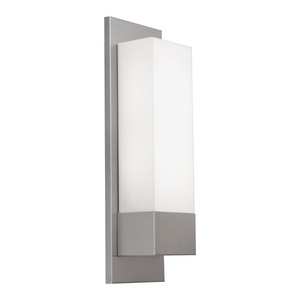
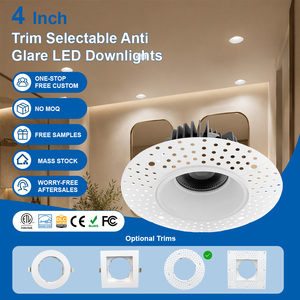
The boundary between general architectural lighting and emergency life-safety lighting is blurring. Innovative manufacturers are developing hybrid trimless downlights, ultra-slim linear pendant systems, and decorative sconces that operate at high CRI (Ra > 95, R9 > 80) under normal utility power, but automatically step down to optimized emergency lumen output (e.g., 300lm to 500lm) during power outages. This eliminates the visual clutter of redundant standalone emergency bug-eye units in luxury spaces.
| Technology Vector | Legacy Systems (Standard Procurement) | Next-Gen China OEM Benchmark | Impact on Project TCO |
|---|---|---|---|
| Battery Technology | Ni-Cd / Standard Lead-Acid | LiFePO4 with Intelligent BMS Protection | Reduces battery replacement cycle from 2 yrs to 8-10 yrs |
| Emergency Driver Efficiency | 65% - 75% Conversion Efficiency | > 92% High-Efficiency Switch-Mode Driver | Lower thermal stress, smaller physical footprint |
| Testing Protocol | Manual Push-to-Test Switch | Automated DALI-2 / Wireless Self-Testing | Cuts facility maintenance labor costs by over 80% |
| Optical Performance | CRI > 70, Single Fixed CCT | CRI > 95, 5-CCT Selectable + Optics Control | Enhances architectural aesthetics without safety compromise |
When auditing China emergency lighting factories, verifying raw luminaire lumen output is insufficient. Demanding Photometric IES/LDT files specifically generated during battery emergency operation mode is critical. Premium OEM suppliers utilize integrated integrating spheres and goniophotometers to certify that light distribution pattern, emergency flux decay curves, and color temperature consistency meet strict local building code requirements throughout the entire 90-minute or 180-minute battery discharge cycle.
Rooted in decades of lighting design and precision engineering, our manufacturing infrastructure combines Mediterranean artistic design principles with China's high-speed supply chain execution. From custom hospitality table luminaires to code-compliant emergency downlights, our production facility operates under a strict, fully integrated quality control matrix.
Rapid prototyping and custom die-casting for specialized housing, thermal heat sinks, and customized mounting hardware.
Full spectrum color testing, high CRI validation (Ra 95+), and complete thermal endurance testing chambers.
FSC-certified materials, zero single-use plastics, optimized shipping density for international freight efficiency.
Whether you require custom dimensions, specific RAL lacquer finishes, specialized CCT tuning (2700K to 5000K), or bespoke emergency power kits adapted to international line voltages (100V-277V AC), our engineering office bridges the gap between creative concept drawings and certified mass production.
Direct technical answers to help procurement officers and MEP engineers streamline supplier evaluation
Connect with our senior technical engineering team today for instant project feasibility studies, custom OEM quotes, complete photometric IES files, and sample evaluations.
Inquire Now