State of the Art in OEM Waterproof Lighting Exporter & Exporters Engineering
An In-Depth Technical Guide for Architectural Specifiers, Lighting Designers, and Global Procurement Executives.
The global demand for high-reliability, architectural-grade waterproof lighting fixtures has undergone a paradigm shift over the past five years. Modern commercial projects—ranging from high-humidity coastal resorts and luxury spa facilities to outdoor hospitality terraces and extreme-weather public infrastructures—require lighting solutions that fuse refined European aesthetics with rigorous mechanical sealing performance. As an established custom OEM waterproof lighting exporter with production hubs rooted in the rich manufacturing heritage of Valencia, Spain (spanning back through FM Iluminación and Olé Lighting), our technical desk bridging engineering and design delivers solutions engineered to withstand the harshest thermal, mechanical, and ingress challenges.
When selecting a qualified custom OEM waterproof lighting exporter & exporters partner, project specifiers must evaluate more than aesthetic catalog renders. True engineering reliability in wet, saline, and fluctuating temperature environments demands deep material science expertise, advanced thermal management architectures, robust dynamic seals, and verified photometric precision. This whitepaper analyzes the engineering fundamentals, manufacturing workflows, supply chain compliance, and procurement trends shaping the future of custom waterproof illumination.
1. Mechanical Sealing & Ingress Protection (IP) Architectures
Ingress Protection (IP) ratings defined under IEC/EN 60529 represent the foundational benchmarks for waterproof luminaires. However, achieving long-term hermetic integrity requires far more than basic rubber gaskets. Professional OEM manufacturing focuses on micro-engineered sealing boundaries, material compatibility, and pressure equalization dynamics.
- Fluorosilicone & Injection-Molded Gaskets: Standard EPDM gaskets tend to degrade, shrink, or lose elasticity when exposed to prolonged ultraviolet (UV) radiation and severe ambient thermal cycles (-30°C to +50°C). Our custom OEM waterproof lighting manufacturing utilizes continuous injection-molded fluorosilicone and hydrophobic neoprene seals. These materials maintain an operational compression set retention of over 92% after 10,000 thermal cycles, preventing water ingress at joint interfaces.
- Pressure Equalization Vents (ePTFE Membranes): Internal air expansion caused by heat generated from high-power LED engines creates negative pressure differential when turned off rapidly in damp environments. This vacuum effect draws capillary moisture through cable glands and micro-cracks. Integrating breathable expanded Polytetrafluoroethylene (ePTFE) Gore-style vents equalizes internal and external pressures while maintaining an IP67/IP68 liquid barrier.
- Micro-Capillary Anti-Wicking Cable Glands: Water migration often occurs through the copper strands inside power supply cables. By incorporating anti-wicking barrier blocks and potted polyurethane junction chambers at cable entry points, our OEM waterproof fixtures prevent water from traveling into driver cavities even if external cable sheathing suffers site damage.
| Protection Rating | Solid Ingress Resistance | Water Ingress Resistance | Recommended OEM Applications |
|---|---|---|---|
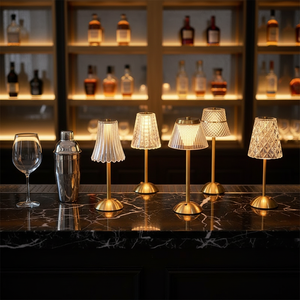
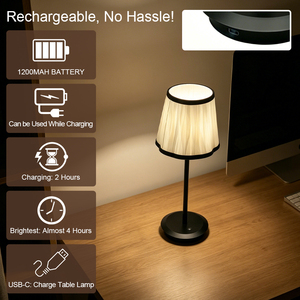
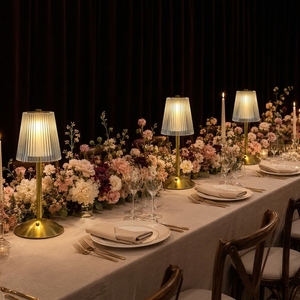
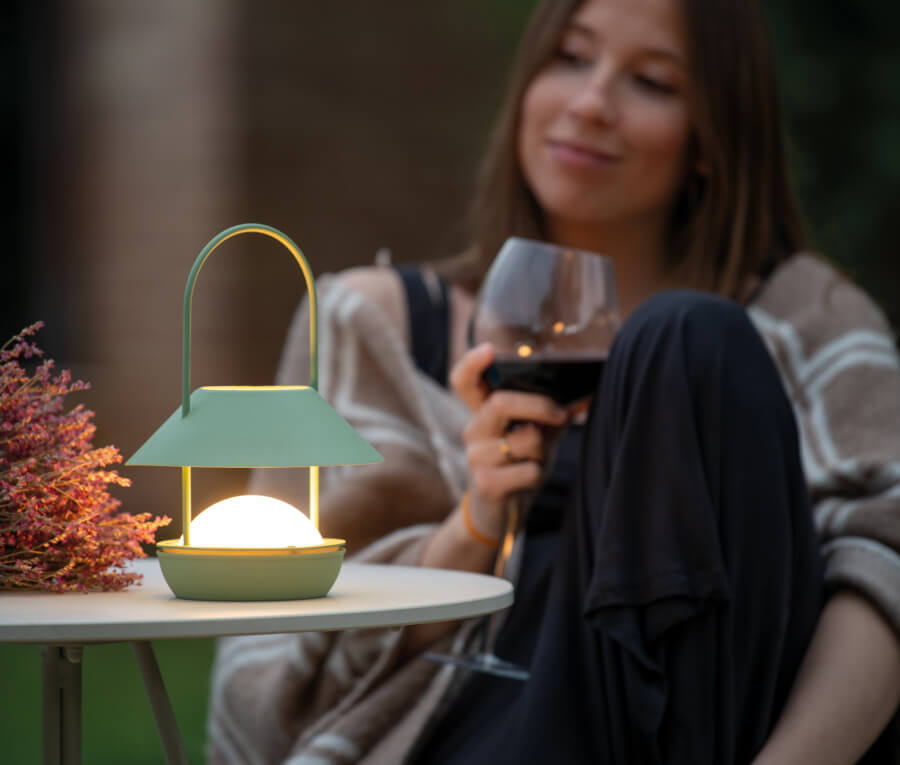
| IP54 / IP55 | Dust Protected | Splashing Water / Water Jets | Covered Terraces, Hospitality Cordless Table Lamps, Semi-Outdoor Wall Sconces |
| IP65 / IP66 | Dust-Tight | Powerful Water Jets (100 kPa) | Building Facades, Exposed Wall Washers, High-Humidity Spa Corridors, Exterior Pendant Lights |
| IP67 | Dust-Tight | Temporary Submersion (1m for 30 min) | Ground Recessed Uplights, Pathway Linear Profiles, Coastal Boardwalk Installations |
| IP68 | Dust-Tight | Continuous Submersion (>1m up to 3 bar) | Architectural Water Features, Commercial Swimming Pools, Marine Yacht Decks |
2. Anti-Corrosion Metallurgy & Surface Treatments
Waterproof luminaires installed in coastal resorts or urban environments with acidic rainfall face severe electrochemical corrosion. OEM exporters must employ high-purity aluminum alloys combined with multi-layer passivation processes.
Our Valencia manufacturing facility utilizes low-copper marine-grade 6063-T5 aluminum extrusions and ADC12 die-cast alloys with copper content strictly controlled below 0.1%. Prior to decorative powder coating, components undergo a multi-stage zirconium chromate conversion coating, followed by architectural-grade Qualicoat Class 2 thermosetting polyester powder coating. This provides tested resistance exceeding 1,500 hours of continuous salt spray exposure (ASTM B117 standards) without paint adhesion failure or micro-blistering.
3. Optical Performance, High CRI & Thermal Dissipation
Enclosing LED arrays in sealed waterproof housings introduces severe thermal retention challenges. High junction temperatures (Tj > 85°C) degrade light output efficiency (lumens per watt) and trigger premature color shifting (MacAdam Ellipse drift). To ensure L80B10 service lifetimes exceeding 50,000 hours, custom OEM waterproof lighting engineering incorporates three key innovations:
First, direct-bond Metal Core Printed Circuit Boards (MCPCB) with high thermal conductivity (2.0 W/m-K to 4.0 W/m-K) transfer heat instantly from top-tier LED chips (such as Nichia, Bridgelux, or Cree) to the outer aluminum structural housing. Second, secondary optics—including UV-stabilized PMMA lenses and toughened borosilicate glass covers—achieve up to 94% light transmission while maintaining IK08 to IK10 mechanical impact protection.
Furthermore, hospitality and architectural applications require superior visual fidelity. Our fixtures deliver high Color Rendering Index metrics (CRI 90+ to CRI 95+, with R9 values exceeding 80), ensuring natural rendering of wood tones, stone textures, foliage, and skin hues under warm 2700K to dynamic 5000K CCT tuning.