Explore our benchmark commercial downlights, architectural spotlights, and hospitality ambient luminaires built with precision optical components, advanced thermal management, and full EU/US compliance.
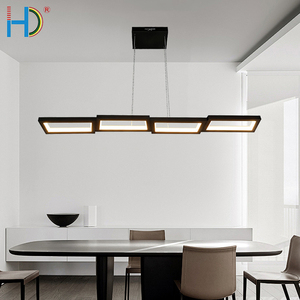
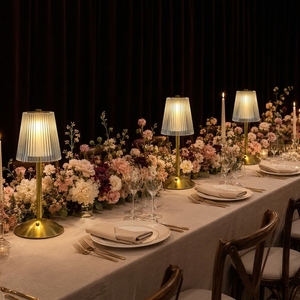
Navigating the global architectural and commercial lighting supply chain requires more than simply reviewing price quotes. For engineering consultants, lighting designers, commercial contractors, and B2B distributors, selecting the Top China Spot Lights Factory & Suppliers is a strategic decision that directly impacts installation longevity, energy efficiency compliance, and aesthetic integrity. China's lighting manufacturing ecosystem has transitioned from high-volume standardized assembly to sophisticated, highly customized optical engineering, precision thermal management, and smart control integration.
Modern commercial developments—ranging from five-star hotel chains and luxury retail boutiques to corporate headquarters and high-end residential estates—demand accent lighting fixtures with exceptionally tight binning (MacAdam Ellipse ≤ 3 SDCM), high color rendering fidelity (CRI ≥ 95, R9 ≥ 80), and low unified glare ratings (UGR < 16). Leading Chinese manufacturing facilities have responded by investing heavily in automated CNC machining, high-efficiency die-casting, automated surface-mount technology (SMT) lines, and darkroom goniophotometers to supply fully certified IES/LDT data files to global project specifiers.
Custom-engineered Total Internal Reflection (TIR) acrylic lenses and aluminum reflectors deliver precise beam control from ultra-narrow 10° spot beams to smooth 60° flood spreads without color fringing or optical spill.
Aerospace-grade cold-forged aluminum and ADC12 die-cast heat sinks maintain COB junction temperatures below 85°C, preventing chromaticity shift and guaranteeing 50,000+ operational hours.
In-house tooling and custom finishing options (custom RAL powder coating, anodized brass, brushed chrome, and electroplated copper) allow specifiers to match luminaires precisely to interior joinery and metalwork.
To evaluate direct factory suppliers against technical project submittals, commercial buyers must examine key optoelectronic parameters. The technical matrix below outlines standard vs. premium architectural-grade spotlight specifications manufactured in top-tier Chinese lighting facilities.
| Technical Parameter | Standard Commercial Grade | Architectural Specification Grade | Industry Sourcing Impact |
|---|---|---|---|
| LED Light Source | Standard SMD 2835 / Commercial COB | Bridgelux Vesta / CREE XLamp / Citizen CLU028 | Ensures consistent lumen output and chromatic stability across large multi-zone installations. |
| Color Rendering Index (CRI) | CRI 80+ (R9 > 0) | CRI 95+ / CRI 98 Full Spectrum (R9 > 90) | Critical for hospitality, luxury retail, museum exhibits, and high-end residential applications. |
| Color Consistency (SDCM) | 5-Step MacAdam Ellipse | ≤ 2-Step to 3-Step MacAdam Ellipse | Eliminates visible color temperature variations between adjacent fixtures installed on a single ceiling plane. |
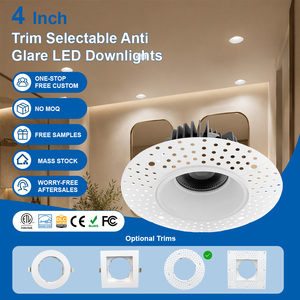
| Unified Glare Rating (UGR) | UGR < 22 (Basic reflector) | UGR < 13 to UGR < 16 (Deep anti-glare bezel) | Meets strict WELL Building Standard and EN 12464-1 workplace visual comfort compliance. |
| Driver & Dimming Protocol | Non-dimmable / Basic TRIAC | DALI-2 / 0-10V / Casambi Bluetooth / Zigbee 3.0 | Allows seamless integration into building automation systems (Lutron, Crestron, Schneider, KNX). |
| Thermal Heat Sink Design | Extruded Aluminum 6063 | Cold-Forged High-Density ADC12 Die-Cast Aluminum | Extends component life, prevents LED thermal degradation, and protects driver electronics. |
A primary competitive advantage of partnering with an established Chinese spotlight factory is full end-to-end quality control. Rather than relying on sub-contracted assembly workshops, elite lighting manufacturers maintain integrated production steps within unified industrial parks. This vertical integration allows rapid prototyping, rigorous quality verification, and cost efficiency.
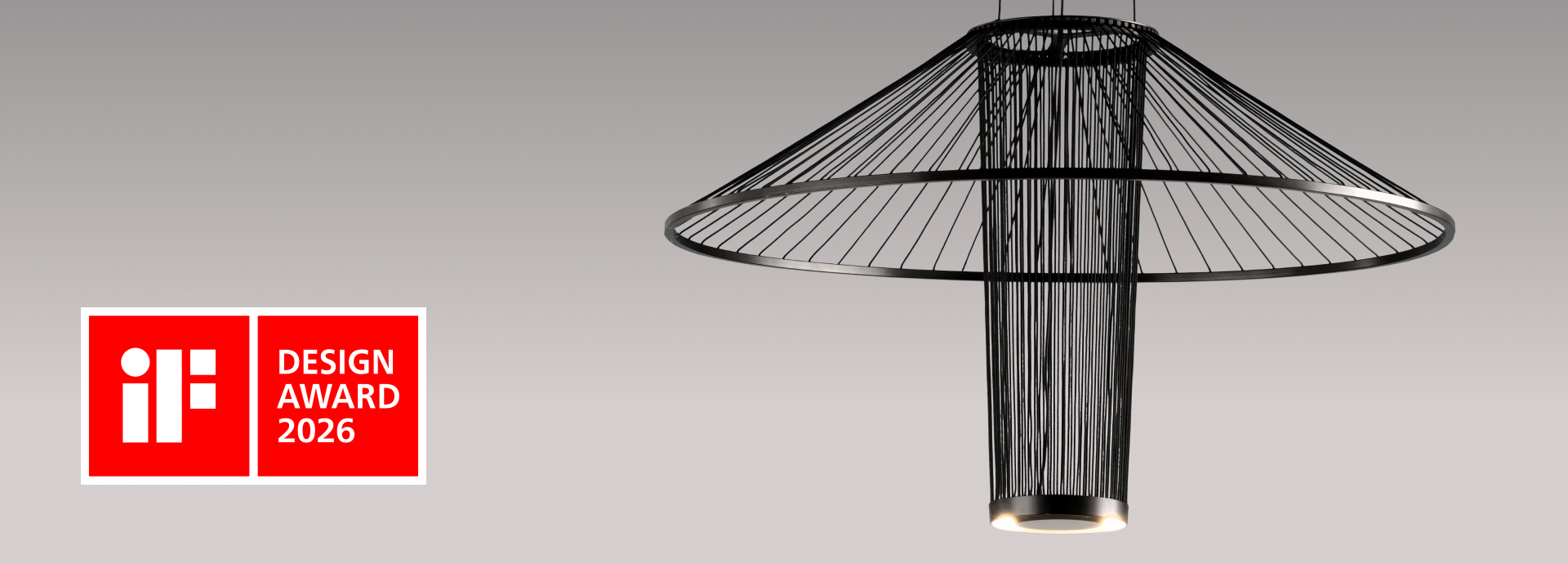
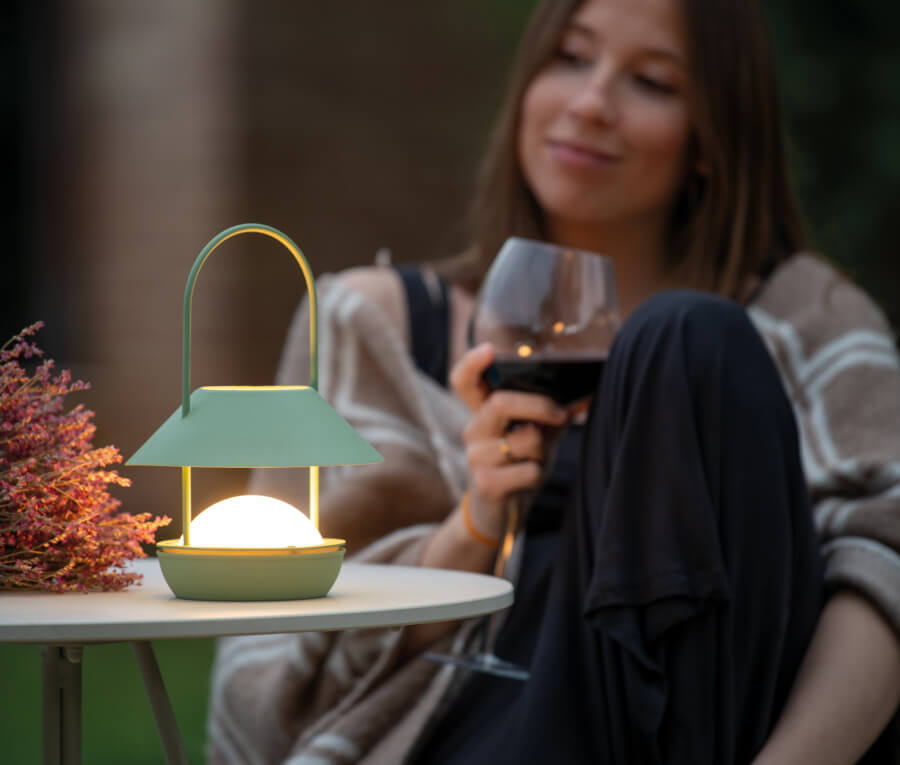
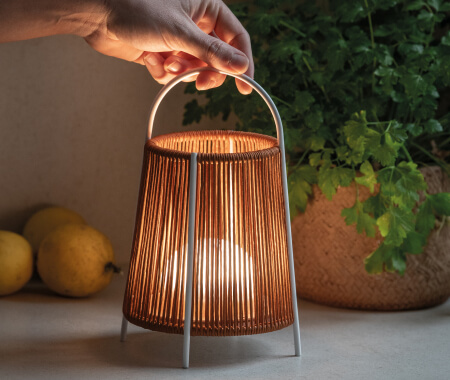
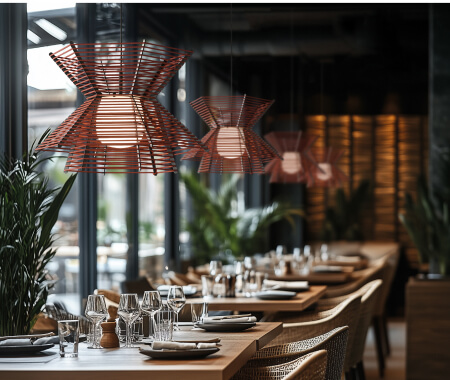
As commercial interior architecture shifts toward clean lines, warm minimal aesthetics, and intelligent building energy management, the technical requirements for spotlights and downlights are undergoing significant changes. B2B buyers must align with factories actively developing products in the following key innovation vectors:
Architects are demanding invisible light sources. Future-ready factories produce ultra-compact 1-inch and 2-inch micro-spotlights with aperture sizes under 35mm that disappear into ceilings while producing over 800 lumens of focused accent light.
Dynamic CCT tuning from 2200K warm candle-light to 6500K crisp daylight allows hospitality and office environments to mimic natural solar rhythms. Modern spotlight fixtures integrate dual-channel COBs with DALI DT8 control drivers.
Replacing bulky control cabling, next-generation commercial spotlights feature integrated Casambi, Matter, or Zigbee 3.0 nodes inside the fixture junction box, permitting wireless zone configuration and automated daylight harvesting.
Leading Chinese manufacturers are implementing modular product architectures where LED engines, optics, and drivers can be upgraded or replaced in-situ without destroying ceiling plaster or requiring complete fixture replacement.
Moving away from traditional faceted aluminum reflectors, modern spotlights utilize optical-grade PMMA lens arrays that achieve over 92% light transmittance with zero yellow-ring chromatic aberration around the beam periphery.
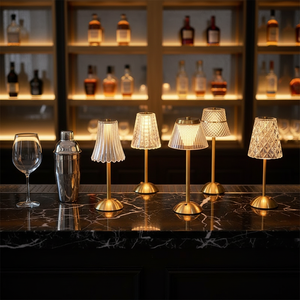
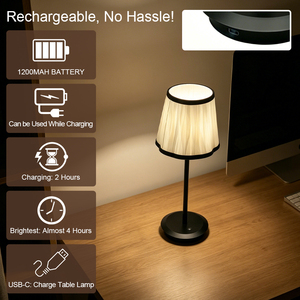
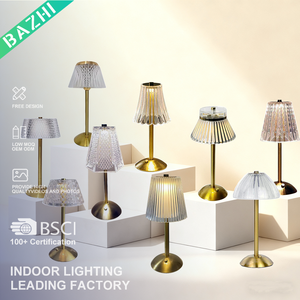
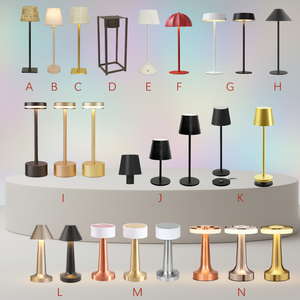
Hospitality venues require flexible seating layouts. Cordless rechargeable spotlights and table accent lamps with high-density lithium-ion battery packs offer 12–24 hours of dimmable ambient light for indoor and outdoor dining areas.
To mitigate risks associated with international procurement, commercial lighting buyers should follow a structured evaluation procedure when placing OEM/ODM spotlight orders with Chinese suppliers:
Addressing technical, logistical, and customization questions commonly raised by international lighting specifiers and procurement managers.
Top-tier manufacturers purchase LED COB chips directly from tier-1 chip vendors (such as Citizen, Bridgelux, and CREE) bound by single-binning agreements. By guaranteeing that all COB LEDs utilized in a project batch belong to a 2-step or 3-step MacAdam Ellipse bin, visible color temperature shifts between adjacent spotlights are eliminated across large ceiling expanses.
High-performance commercial spotlights feature cold-forged 1070 pure aluminum or ADC12 die-cast aluminum heat sinks equipped with vertical cooling fins. This geometry maximizes surface area for convective heat dissipation, ensuring that COB junction temperatures remain well below 85°C. Lower operational temperatures maintain lumen output over time (L80B10 > 50,000 hours) and prevent color rendering degradation.
Yes. Direct factory manufacturing allows complete flexibility. Optical lenses can be swapped between 15°, 24°, 36°, and 60° options. Dual-CCT drivers or 5-CCT dip-switches can be pre-configured inside junction boxes, and housing Bezels can be lacquered in custom RAL colors, textured white, architectural black, or anodized metallic finishes to match interior design concepts.
For European markets, spotlight fixtures require CE-LVD, CE-EMC, and RoHS compliance certificates. For North America, fixtures must carry UL, ETL, or CSA safety listings, with Energy Star or DLC qualification for commercial utility rebate eligibility. In-house testing ensures drivers meet FCC Class B EMI requirements and flicker-free standards (< 3% flicker index).
Standard catalog models typically feature low sample MOQs (1–10 units) for mockup validation, with sample lead times of 3 to 7 working days. For bulk commercial project orders (50 to 500+ units), standard lead time is 15 to 25 calendar days, including 100% aging rack burn-in testing prior to final export packaging.
Low UGR (< 13 to UGR < 16) is achieved by mounting the LED light engine deep within the spotlight body behind a 30° to 45° optical cut-off angle bezel. Combined with black or chrome secondary anti-glare cones, the direct light source remains hidden from human sight lines until an observer stands directly under the luminaire, eliminating visual fatigue in offices and hotels.
Need engineered submittals, custom OEM prototypes, photometric IES files, or competitive factory pricing for your upcoming commercial lighting project? Our technical engineering office is ready to assist your team.
Contact Us