Verified Architectural Luminaires, Cordless Ambient Lamps, and Integrated Commercial Fixtures
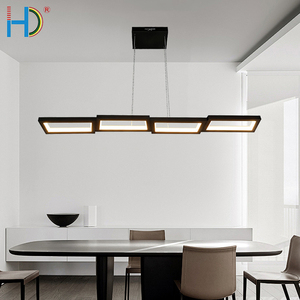
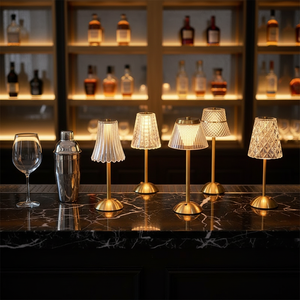
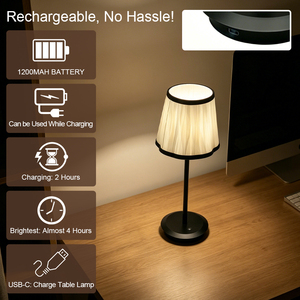
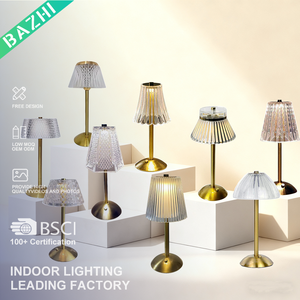
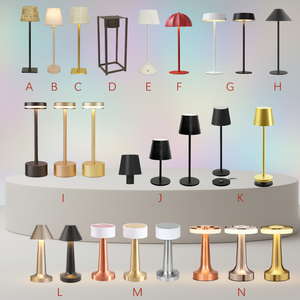
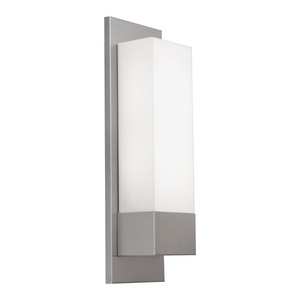
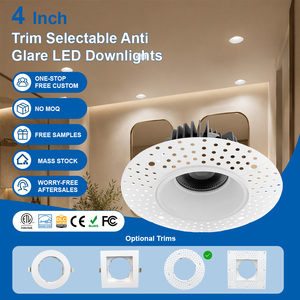
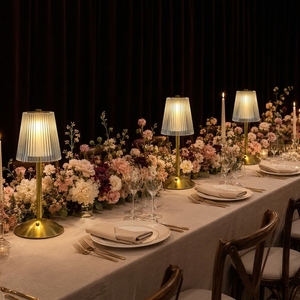
In the contemporary architectural and contract lighting sector, selecting a trusted floor lamp manufacturer requires rigorous evaluation of engineering adaptability, photobiological safety standards, and vertical manufacturing integrity. As global commercial venues, boutique hotels, and high-end residential developments demand increasingly nuanced lighting environments, floor lamps have evolved from simple secondary light sources into complex visual anchors and technical luminaires.
Rooted in Aldaia, Valencia (Spain), family-run manufacturers such as FM Iluminación / Olé Lighting exemplify Mediterranean industrial design combined with strict European quality control. Managing metal spinning, precision welding, custom shade stitching, electrical assembly, and photometric verification under one roof ensures absolute traceability. By controlling the entire manufacturing chain, certified facilities mitigate supply chain latency, guarantee lot-to-lot color temperature consistency (MacAdam Ellipse SDCM < 3), and deliver tailored dimensions for double-height contract spaces.
Tier-1 manufacturers differentiate themselves by engineering luminaires that comply directly with European and North American safety guidelines (EN 60598-1, CE, RoHS, and UL specs). From structural tilt-stability tests (10-degree incline non-overturn standard) to advanced thermal dissipation design for high-lumen COB LEDs, top-tier factories minimize warranty liabilities for global specifiers, architects, and hospitality procurement agencies.
Examine how verified floor, ceiling, and suspension designs integrate into modern hospitality and contract spaces.
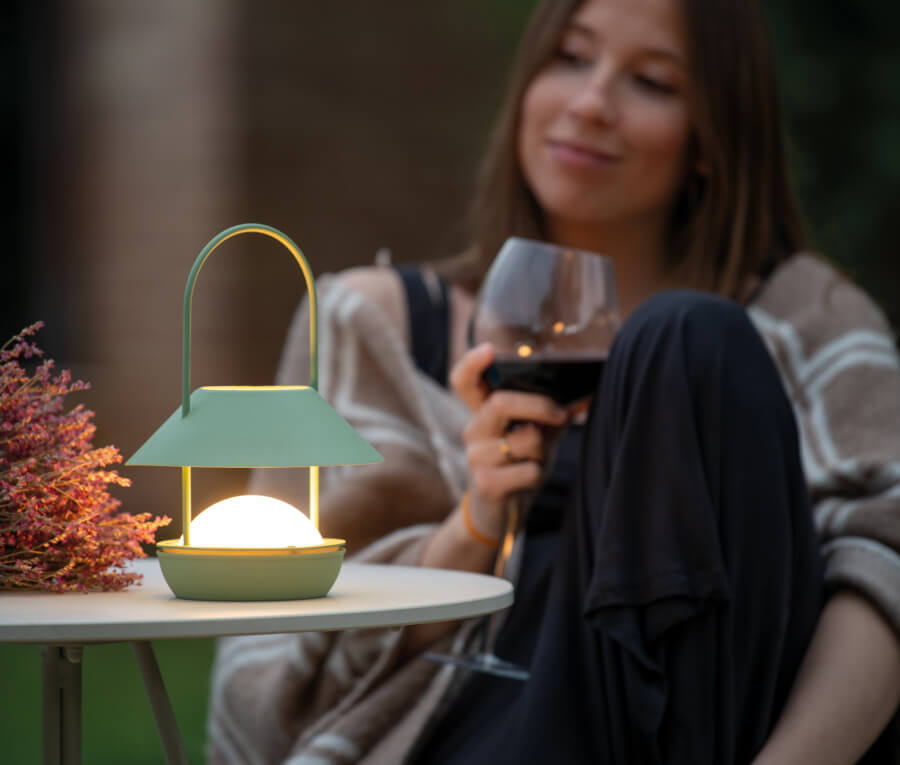
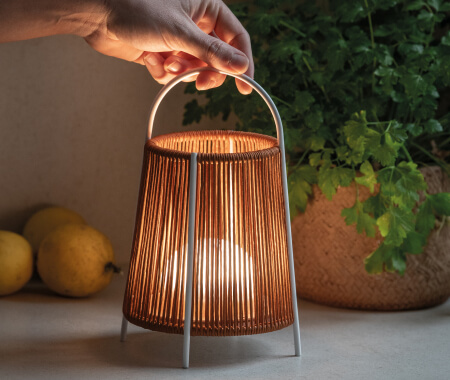
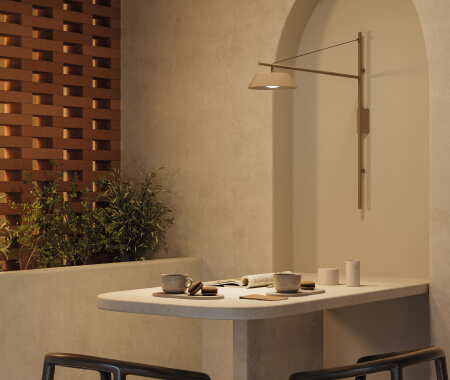
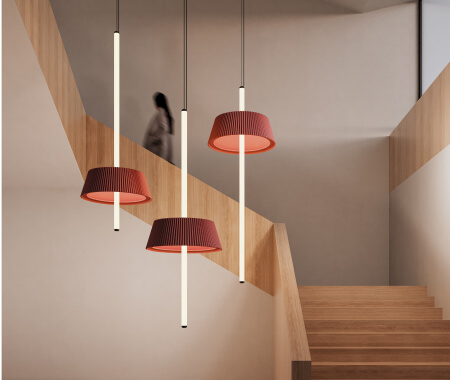
Key industry shifts every B2B buyer, commercial specifier, and interior architect must account for when establishing vendor SLAs.
Commercial spaces require dynamic spatial layouts. Procurement is shifting rapidly toward floor and accent lamps equipped with high-energy Li-ion battery arrays, magnet-assisted USB-C charging stations, and battery life management ICs providing 12–24 hours of uninterrupted illumination at >250 lumens.
Global sustainability mandates (such as the EU's Ecodesign Directive) mean disposable luminaires are obsolete. Procurement contracts now mandate modular driver replacement, tool-free optic swaps, recyclable aluminum chassis, FSC-certified timber, and eco-friendly textiles without toxic glues.
Enterprise buyers prioritize vendors offering high luminous efficacy (>110 lm/W for floor luminaires) paired with ultra-low standby power (<0.5W). Extended 5-year warranties backed by direct factory spare parts availability drastically lower long-term facility maintenance expenditure.
How advanced materials, optical engineering, and wireless control systems are transforming floor lamp design.
Next-gen floor lamps incorporate dual-channel COB or CSP LED engines allowing seamless color temperature shifts from 1800K (warm candlelight for relaxing hotel lounges) to 4000K (crisp, high-focus task lighting for corporate suites). Integrated circadian curve micro-controllers automatically sync light temperature with natural daylight.
Modern floor lamps are no longer standalone fixtures; they are fully integrated network nodes. Utilizing Bluetooth Mesh, Zigbee 3.0, or Matter protocols, entire hotel chains can group hundreds of floor lamps into centralized management platforms for automated dimming schedules, energy monitoring, and occupancy sensing.
Unified Glare Rating (UGR) compliance is critical for modern commercial environments. Factory innovations in micro-structured PMMA diffusers and indirect bounce reflectors ensure floor lamps project uniform task illumination (UGR < 19) while completely concealing harsh LED hot spots from direct line-of-sight.
To guarantee 50,000+ hour operational lifespans (L80B10 standard), advanced floor lamps employ passive convective heat sinks integrated directly into slender aluminum stems. Thermally conductive polymer coatings and cold-forged aluminum bases maintain LED junction temperatures below 75°C even in continuous high-output operation.
A clear breakdown comparing verified European custom manufacturing capabilities against standard mass-market importers.
| Evaluation Parameter | Tier-1 Custom European Factory (e.g. Olé / FM) | Generic Mass-Production Importer |
|---|---|---|
| Customization Capabilities | Full custom sizes, bespoke lacquering (RAL matching), shade fabrics, & modified stems. | Fixed catalogue items only; zero structural modifications. |
| Optical & Color Quality | CRI > 95, R9 > 80, MacAdam 3-Step SDCM; flicker-free (<1% ripple driver). | CRI 80 nominal; noticeable CCT variance between batch orders. |
| Standards Compliance | EN 60598-1, CE, RoHS, photobiological safety EN 62471 fully certified. | Self-declared CE; unverified driver isolation and photobiological data. |
| Lead Times & Prototyping | Rapid engineering turnaround (15–20 days sample, 4–6 weeks full production). | 8–14 weeks lead times; high minimum order requirements per SKU. |
| Service & Spare Parts | 10+ year availability of replacement shades, drivers, modules, and touch components. | Discontinued SKUs render entire fixtures unserviceable after product cycles. |
Addressing key technical, logistical, and contractual questions asked by architectural specifiers and commercial buyers.
B2B buyers should evaluate five critical metrics: 1) Structural Stability & Weight Distribution (verifying anti-topple performance at a 10-degree incline), 2) Color Rendering Index (demanding CRI > 90 and high R9 red spectrum rendering), 3) Driver Ripple Current (ensuring flicker-free operation below 1% for camera compatibility and eye comfort), 4) Thermal Management Architecture (convective heatsinking for continuous thermal dissipation), and 5) Certificate Traceability (CE, RoHS, UL, and photobiological compliance reports).
Yes. Premium original manufacturers operating in-house metalworking and assembly workshops (such as Olé Lighting in Valencia, Spain) can adapt base weights, stem lengths, shade diameters, wiring harness lengths, and dimming protocols (DALI-2, 0-10V, Triac, CASAMBI). Bespoke powder-coating matched to specific architectural wood or metal samples is also available upon technical review.
Commercial-grade cordless floor lamps utilize high-capacity Lithium-ion or LiFePO4 battery cells backed by integrated Battery Management Systems (BMS). The BMS protects against over-charging, deep discharge, and thermal runaway. Combined with high-efficiency LEDs (up to 120 lm/W), these lamps deliver 10 to 24 hours of operational brightness per USB-C charge cycle while retaining 80% battery capacity after 500+ charge cycles.
Standard production runs for catalogue floor lamps generally start at modest batch quantities (e.g., 10 to 50 units per SKU), whereas fully bespoke ODM designs requiring unique stamping dies or custom extrusions typically require MOQs of 100+ units. Flexible factory floors can often bundle custom finishes across multi-product contract orders to streamline procurement budgets.
Factory-assembled luminaires ship with universal input drivers (100–240V AC, 50/60Hz) or region-specific power supplies engineered for North America (120V UL listed), Europe (230V CE certified), and Asia/UK requirements. Low-voltage DC systems (such as 24V constant voltage or integrated USB-charging fixtures) feature class II double-insulated transformers for absolute electrical safety.
Whether you require custom CAD modifications for a luxury hotel portfolio, photometric IES/LDT data for lighting design calculations, or direct OEM supply quotes, our engineering desk is ready to support your specifications.