Explore our high-performance luminaires engineered for custom integration—from integrated emergency backup drivers to decorative ambient fixtures for high-end hospitality and commercial real estate in Moscow.
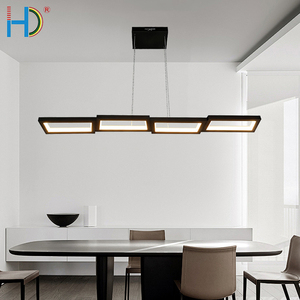
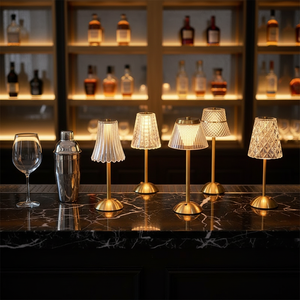
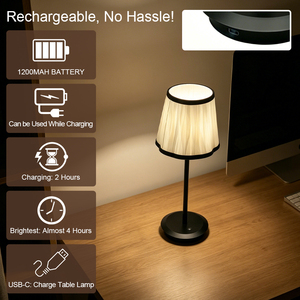
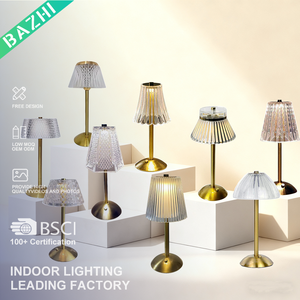
An authoritative overview of electrical safety codes, thermal resilience, architectural integration, and custom manufacturing workflows tailored for specifiers, engineers, and lighting buyers in Russia.
Navigating the specified emergency lighting market in Moscow requires a dual mastery of stringent local safety mandates and extreme climate adaptation. Projects in the Moscow Metropolitan Area—spanning high-density commercial skyscrapers in Moscow-City (MIBC), subterranean transit nodes, luxury hotels, and expansive industrial logistics parks in the Moscow Oblast—must strictly comply with Russian national safety standards, including GOST R 55842-2013 (Emergency Lighting) and SP 52.13330.2016 (Natural and Artificial Lighting).
Emergency luminaires deployed in Moscow must guarantee instant illumination activation (under 0.5 seconds) upon main power failure and maintain rated luminous flux for a minimum of 1 to 3 hours under severe ambient voltage fluctuations and extreme seasonal temperature drops.
Standard off-the-shelf commercial fixtures frequently fail under Moscow’s severe operational environment. During winter months, subterranean parking structures, external loading bays, and transitional architectural spaces experience temperature drops down to -30°C or -40°C. Standard Lithium-ion or Nickel-Cadmium battery packs lose up to 70% of their rated power discharge capabilities under sub-zero conditions. As a specialized OEM emergency lighting factory, our engineering desk integrates localized micro-climate heating elements, high-grade Lithium Iron Phosphate (LiFePO4) battery chemistry, and thermal insulation shields directly inside the custom fixture body.
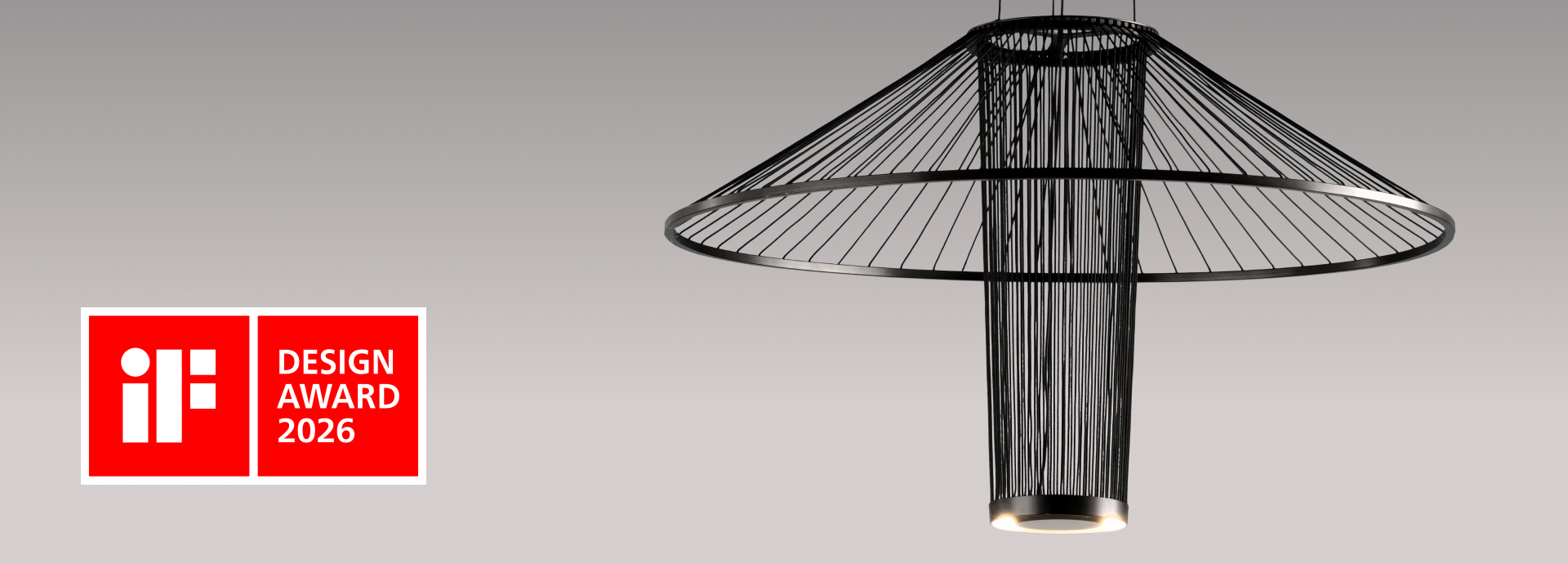
Historically, emergency illumination was treated as an afterthought—resulting in unsightly, plastic red-and-green emergency boxes mounted haphazardly across high-end architectural interiors. Modern interior designers and lighting specifiers in Moscow demand a cohesive visual language where emergency fixtures blend seamlessly into the decorative scheme during normal operation.
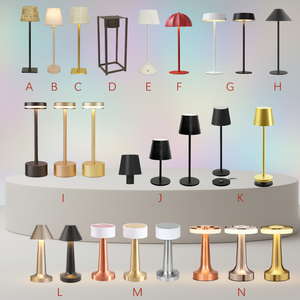
Our Valencia-based manufacturing facility (FM Iluminación / Olé Lighting) bridges the gap between architectural aesthetic luxury and critical emergency compliance. By maintaining full control over metal fabrication, textile shade assembly, powder coating, and electronic wiring under one roof, we offer custom OEM conversion across 45+ design families:
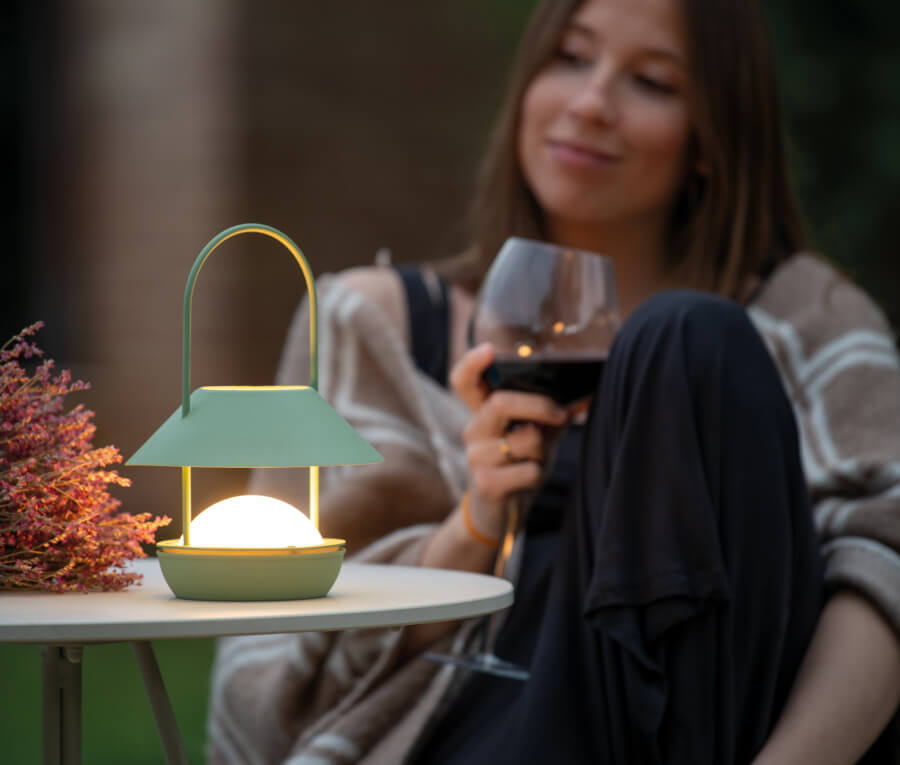
Combining European design authenticity with technical OEM agility. Every luminaire is conceived, tested, and assembled in Aldaia, Valencia, and customized for Russian commercial requirements.
From initial CAD sketch and metal laser cutting to photometric goniophotometer testing, driver assembly, and packaging—our short internal chain eliminates middlemen and guarantees strict quality control.
We work directly with Moscow engineering teams to supply full technical documentation, CE/EAC declarations of conformity, IP ratings (up to IP67), and photometrics (IES/LDT) for immediate specification approval.
Need custom pendant lengths for double-height hotel lobbies in Arbat or customized junction box housings for retrofit downlights? We engineer bespoke hardware adapted precisely to project shop drawings.
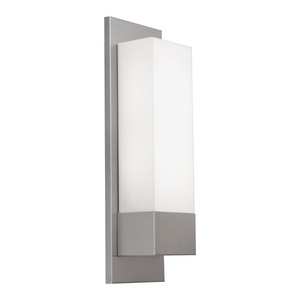
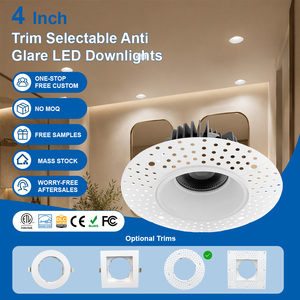
Emergency lighting does not mean low visual quality. Our integrated downlights and linear wall sconces deliver up to CRI 95, 5 CCT field-tunable settings, and high-efficiency glare control filters.
Our international trade team handles complete export documentation, custom palletization, transit vibration protection, and smooth customs clearance for direct delivery to Moscow project sites.
Modular component engineering allows drivers, battery packs, and LED boards to be serviced independently after years of operation—lowering life-cycle cost (TCO) for Moscow building operators.
A detailed comparison highlighting the crucial technical enhancements required for reliability in Russian commercial and industrial environments.
| Engineering Parameter | Standard Import Commercial Luminaire | Olé OEM Custom Moscow Emergency Spec |
|---|---|---|
| Battery Chemistry & Thermal Threshold | Standard Li-Ion / Ni-Cd (0°C to +40°C limit) | LiFePO4 with Low-Temp Insulated Core (-40°C to +60°C) |
| Emergency Autonomy Duration | 60 Minutes (Degrades rapidly in cold) | 180 Minutes Continuous (GOST R 55842-2013 Verified) |
| Control Protocol Integration | Basic manual switch / Unmanaged | DALI-2 Emergency & Autonomous Self-Test BMS Ready |
| Enclosure Protection & Fire Rating | IP20 / Standard ABS Plastic | Up to IP67 Sealed / 850°C Glow-Wire Resistant Metal |
| Color Rendering Index (CRI) | CRI > 80 (Noticeable color distortion) | CRI 90 - CRI 95 Premium Visual Comfort |
| Customization & Finishing | Fixed mass-market dimensions & colors | Bespoke RAL colors, custom stem lengths & mountings |
High-rise office towers require centralized emergency lighting management over DALI-2 protocols. Our recessed trimless downlights (CRI 90, 5 CCT) and linear continuous systems incorporate hidden emergency batteries that maintain full architectural aesthetic harmony across corporate floorplates.
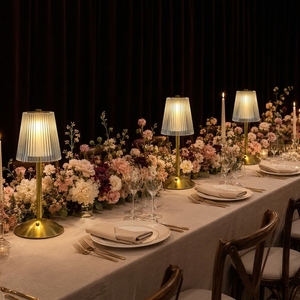
Heritage hotel refurbishments and luxury dining venues demand customized decorative sconces, table ambient lights, and ceiling suspensions. We OEM-retrofit high-end brass and woven shades with discrete emergency battery drivers, guaranteeing safety compliance without sacrificing romantic ambiance.
Cold-chain distribution facilities in Podolsk, Domodedovo, and Sheremetyevo logistics zones require IP65/IP67 rated emergency fixtures capable of continuous operation in ambient temperatures below -30°C. Our specialized heating drivers keep battery cells at optimal charge efficiency.
Pedestrian tunnels, metro interchange corridors, and multi-tier subterranean parking structures demand heavy-duty, high-impact IK10, flame-retardant emergency luminaires designed for continuous 24/7 reliability and rapid maintenance access.
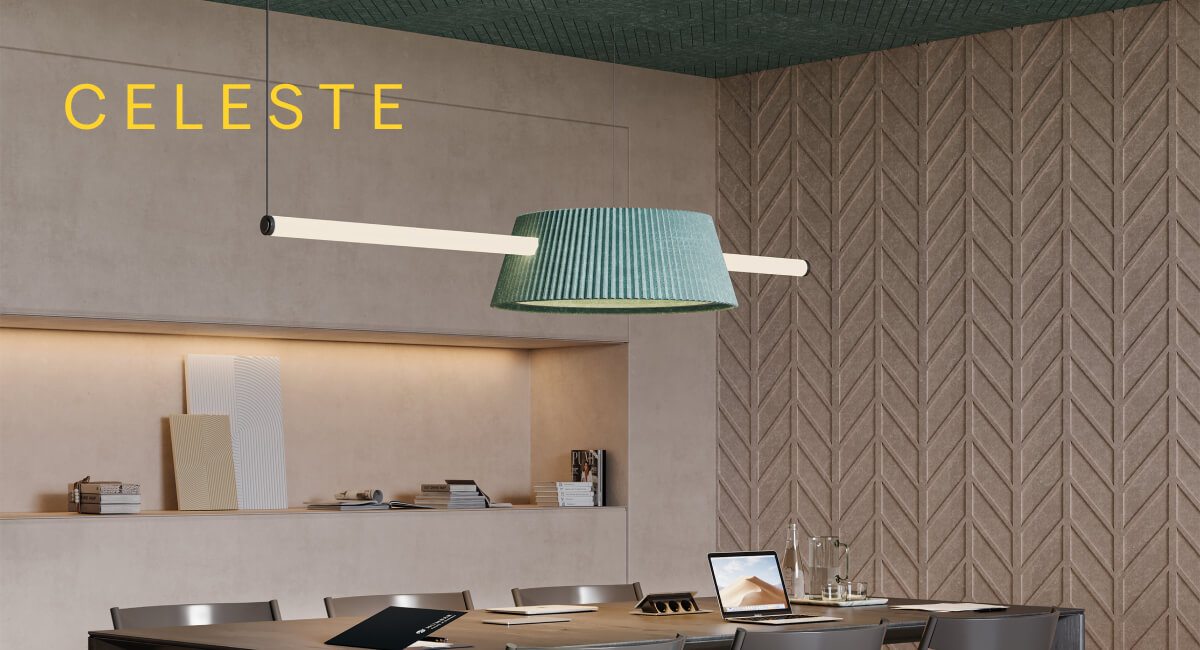
Moscow facility managers are rapidly phasing out toxic, heavy Nickel-Cadmium batteries in favor of Lithium Iron Phosphate (LiFePO4). LiFePO4 offers 3x longer thermal operational life (up to 10 years), 2000+ charge cycles, and significantly lower environmental disposal impact.
With labor costs rising in major Russian metropolitan cities, automated self-testing emergency drivers connected via DALI-2 or wireless mesh networks allow facility engineers to run automated monthly GOST compliance audits directly from a laptop.
Architecture firms in Moscow increasingly refuse mass-market off-the-shelf white plastic emergency boxes. Direct OEM factory cooperation allows specifiers to request customized metal finishes, integrated emergency optics, and custom physical form factors.
Answers to common technical, regulatory, and logistics queries regarding custom emergency lighting manufacturing and export to Russia.
Partner with a European manufacturer that understands technical emergency engineering, high-end design aesthetics, and the rigorous demands of Moscow’s commercial landscape. Submit your project shop drawings or inquiry for immediate expert advice and pricing.