Explore our certified emergency escape, anti-panic, and architectural standby lighting units tailored for Swiss commercial, industrial, and luxury hospitality projects.
A comprehensive technical overview of fire protection directives (VKF/AEAI), EN 1838 exit pathway illumination, and thermal resilience in high-altitude installations.
In Switzerland, life safety installations are strictly governed by the Vereinigung Kantonaler Gebäudeversicherungen (VKF) / Association des établissements cantonaux d'assurance d'incendie (AEAI). Our emergency lighting systems comply with VKF Brandschutzrichtlinie 17-15 (Flucht- und Rettungswege), ensuring non-combustible housing construction, halogen-free wiring, and certified 1-to-3-hour operational autonomy under severe mains power disconnection.
Modern Swiss commercial real estate demands centralized monitoring without excessive maintenance overhead. Our emergency luminaires utilize DALI-2 Device Type 1 (DT1) standard protocols. Operating seamlessly alongside Swiss smart building automation (KNX, Loxone, BACnet), our drivers conduct automatic functional tests weekly and duration tests annually, reporting fault diagnostics directly to the facility manager’s dashboard in compliance with SN EN 50172.
Switzerland’s high-altitude microclimates pose extreme challenges to standard emergency batteries. Sub-zero temperatures in ski resorts, unheated stairwells, and mountain transit tunnels lead to severe capacity degradation in conventional Ni-Cd or Ni-MH packs. We equip our Swiss-bound luminaires with Lithium Iron Phosphate (LiFePO4) battery packs featuring micro-heating elements, providing stable emergency discharge down to -25°C with a 10-year design life.
Information Gain Metric: Standard escape route lighting in Europe specifies 1 lux along the centerline. However, Swiss SN EN 1838 guidelines heavily penalize glare in high-reflectance environments (such as marble foyers or snow-exposed glass facades). Our proprietary batwing optical lenses control glare to UGR < 19 while exceeding the mandatory 1 lux minimum uniform light distribution on all escape pathways.
Emergency lighting must not degrade the architectural character of high-end Swiss spaces. Historically, emergency fittings used low-CRI, cold blue LEDs (6500K, CRI 70) that produced stark, hospital-like emergency illumination. As an experienced exporter, our manufacturing line integrates dual-channel LED boards. Under standard AC operation, luminaires deliver warm 2700K–4000K ambient light at CRI 95 Ra (R9 > 80). Upon emergency activation, the system shifts to a high-efficiency emergency optic profile designed to pierce through dense smoke during fire evacuations without altering color recognition of safety signage.
How our emergency lighting systems solve complex environmental and aesthetic requirements across cantons.
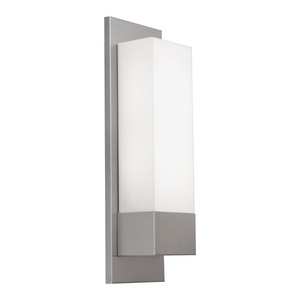
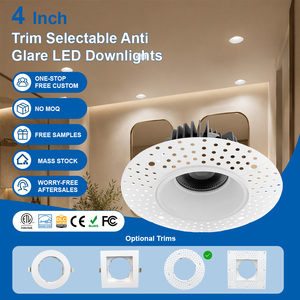
5-star alpine hotels require emergency lighting that blends effortlessly with high-end timber, stone, and minimalist interiors. Standard plastic emergency signs ruin high-grade interior design. Our trimless recessed downlights and custom anodized wall sconces feature hidden emergency indicator LEDs that only become visible during standard diagnostic self-tests or total power grid collapse, satisfying both strict Swiss heritage visual requirements and cantonal fire inspectors.
Cleanrooms and chemical laboratories require flush-mounted, IP65-sealed, chemical-resistant emergency fixtures that withstand rigorous cleaning regimes (hydrogen peroxide vapor decontamination). Our cleanroom emergency series features IP65 toughened glass diffusers, zero dust-retention flush bezels, and high CRI 95 rendering so laboratory technicians can safely shut down delicate chemical synthesis procedures during power interruptions.
High-density multi-story office buildings require continuous, fail-safe escape route lighting across underground vault levels, expansive glass atrium stairwells, and executive suites. By using central battery supply units (CPS) with 230V AC/DC emergency conversion modules alongside DALI-2 monitoring, electrical planners can drastically reduce battery disposal maintenance cycles while maintaining full compliance with Swiss SECO Directive 3 (Arbeitsgesetz & Health Protection).
Aligning safety infrastructure with Minergie-P energy standards, wireless mesh topologies, and circular economy requirements.
Switzerland’s gold standard for sustainable building performance—Minergie—demands minimal parasitic standby energy consumption. Traditional emergency luminaires draw constant power to maintain battery trickle charging. Our latest generation driver architecture reduces standby power consumption to < 0.25 Watts, supporting building energy target scores under SIA 380/1.
Retrofitting historical buildings in Bern or Lausanne with DALI bus cables is often prohibitively expensive or structurally restricted. We offer Casambi and Bluetooth Mesh-enabled emergency node modules. These allow single-battery emergency fixtures to create a self-healing wireless network, sending diagnostic reports automatically to a localized gateway without laying a single extra meter of control cabling.
Swiss procurement policies strictly prioritize long-term serviceability over disposable fixtures. In alignment with European Ecodesign Directives (SLR/ELR), all our emergency luminaires feature toolless, replaceable battery packs, quick-disconnect driver assemblies, and recyclable aluminum heat sinks, extending structural product lifespan beyond 15 years.
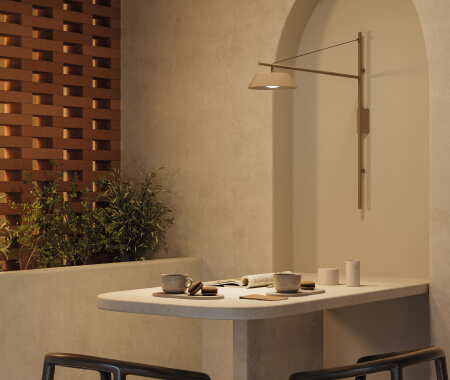
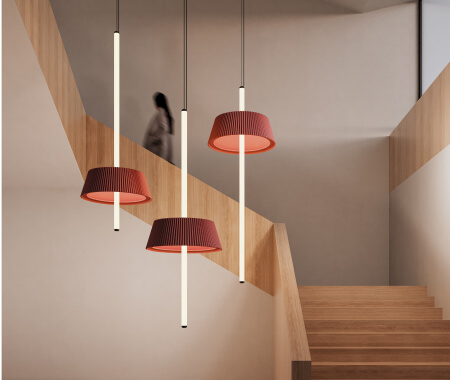
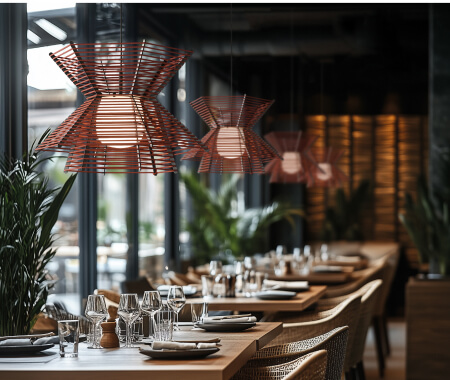
Combining Mediterranean design philosophy with Spanish high-precision manufacturing in Aldaia, Valencia (FM Iluminación / Olé Lighting).
Every step of production—metal spinning, robotic laser cutting, electrostatic powder coating, surface-mount PCB assembly, and final electrical testing—takes place inside our factory in Valencia, Spain. This short supply chain guarantees strict adherence to specification tolerances and reliable lead times for Swiss project schedules.
We do not just supply standard off-the-shelf items. Our technical office works directly with Swiss lighting designers to adapt diameters, drop suspension lengths, custom RAL color matches, emergency switchover delays, and custom mounting plates to fit existing junction boxes during renovation projects.
Shipping to non-EU destination zones requires meticulous administrative handling. Our specialized export desk provides full customs documentation (EUR.1 certificates of origin, commercial invoices with correct Swiss tariff codes), pre-sorted packaging, and direct door-to-site freight services across all cantons.
Clear technical answers covering cantonal fire regulations, battery autonomy, testing protocols, and import compliance.