Lighting designed & manufactured in Valencia, Spain

Top 10 Emergency Lighting Suppliers & Exporter in the New Zealand Market

Architectural Egress Engineering • AS/NZS 2293 Compliance • 2025 Industry Benchmark

Architectural Standby & Emergency Lighting Innovations
High-performance luminaires engineered for seamless architectural integration, standby utility, and full compliance with New Zealand safety standards.
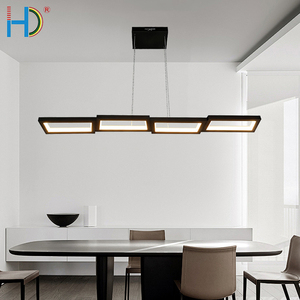
Emergency LED Linear Pendant System
Modern Architectural Egress Pendant Light with Integrated Standby Battery
AS/NZS 2293.3 Maintained Option
Contact Us
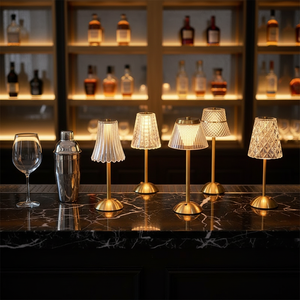
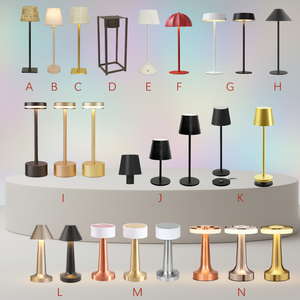
Nordic Cordless Ambient Emergency Table Light
Nordic Touch-Sensor Cordless LED Standby Luminaire for Commercial Spaces
LiFePO4 Extended Battery Life
Contact Us
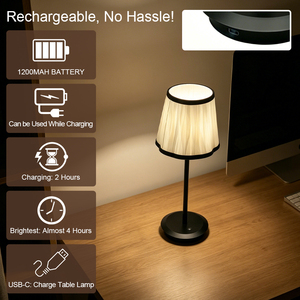
Minimalist Rechargeable Mood Lamp
Minimalist Touch-Control Rechargeable LED Task & Emergency Luminaire
Smart Auto-Switching Circuit
Contact Us
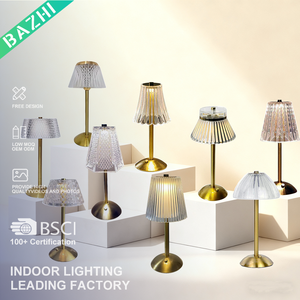
Luxury Cordless Crystal Emergency Light
Luxury Crystal Cordless Ambient Light with Backup Illumination Mode
High CRI 95 + DALI Compatibility
Contact Us
Portable USB Dimmable Emergency Light
Portable Metallic USB Rechargeable Emergency Desk Luminaire
IP54 Weather-Resistant Alloy
Contact Us
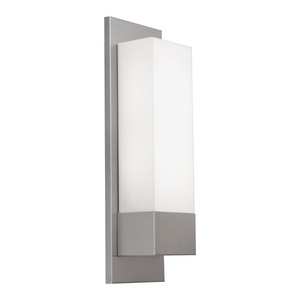
Corridor Emergency Wall Sconce
Hospitality Corridor Wall Sconce with Integrated Emergency Driver System
5000K High CRI 95 Photometrics
Contact Us
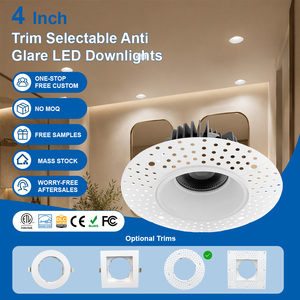
Trimless Downlight with Emergency Junction Box
4" Trimless Architectural LED Downlight with 5-CCT & Emergency Pack
1275lm Output / 5 CCT Switchable
Contact Us
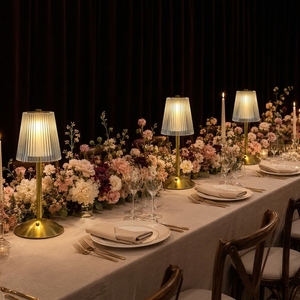
Senya Pro Pleated Shade Rechargeable Lamp
Senya-Pro Designer Pleated Shade Luminaire with Emergency Back-up Circuit
Touch Dimming & Quick USB-C Charging
Contact Us
AS/NZS 2293
Mandatory Safety Standard
90+ Min
Emergency Power Duration
NZS 4219
Seismic Restraints Compliant
IP65 / C5
Coastal Environment Rated

1. Strategic Overview: Emergency Lighting Landscape in New Zealand

The New Zealand commercial construction and building management sectors operate under stringent safety frameworks mandated by the Ministry of Business, Innovation and Employment (MBIE) and enforced through the New Zealand Building Code (NZBC). Specifically, Clause F6 ("Visibility in Escape Routes") and Clause F8 ("Signs") mandate robust emergency exit lighting systems to safeguard occupants during power outages, seismic events, or structural fires.

Unlike standard interior fixtures, emergency lighting in New Zealand must conform rigorously to the joint Australian/New Zealand Standard AS/NZS 2293. This standard dictates system design, installation, routine maintenance, and component specification. As New Zealand's urban centers—including Auckland, Wellington, and Christchurch—continue high-density architectural developments, building specifiers increasingly demand emergency lighting solutions that unite compliance with elevated aesthetic design.

Key Engineering Mandates in New Zealand:

  • AS/NZS 2293.1: System Design & Installation: Dictates minimum illuminance thresholds (typically 0.2 to 1.0 lux along escape routes) and maximum light fitting spacing based on photometric classifications (e.g., C0/D32, C90/D20).
  • AS/NZS 2293.3: Emergency Luminaire Specification: Requires autonomous power supplies capable of sustaining emergency illumination for at least 90 minutes following primary AC power disruption.
  • Seismic Engineering (NZS 4219): New Zealand’s high geotechnical activity demands that all ceiling-mounted emergency fittings, surface sconces, and hanging systems incorporate certified seismic restraints to prevent detachment during earthquake tremors.
  • Environmental Durability (ISO 9223 C4/C5): Given New Zealand’s extensive coastline, exterior and semi-exposed emergency fittings require high-grade marine finishes, salt-mist corrosion resistance, and IP65/IP66 ingress protection.

2. Evaluation of Top 10 Emergency Lighting Suppliers & Exporters for New Zealand

Selecting an emergency lighting exporter or supplier for New Zealand projects requires verifying regulatory compliance, OEM/ODM agility, photometric reporting, and reliable supply chain logistics. Below is the comprehensive 2025 comparative analysis of leading market players supplying the New Zealand commercial sector.

1. Olé Lighting / FM Iluminación Architectural OEM/Exporter

HQ: Valencia, Spain | Global Reach: 50+ Countries

Core Advantage: European design authorship combined with custom AS/NZS 2293 emergency driver integration. Offers trimless CCT downlights, emergency wall sconces, and custom decorative emergency systems designed specifically for high-end hospitality, retail, and commercial developments across Auckland and Wellington.

2. Clevertronics NZ Local Specialist

HQ: Melbourne, Australia / Auckland NZ | Focus: Dedicated Emergency

Core Advantage: Known for Zoneworks XT wireless monitoring systems and long-life Lithium Iron Phosphate (LiFePO4) battery technologies tailored for industrial and healthcare facilities.

3. Legrand New Zealand (HPM) Multinational

HQ: France / Auckland Office | Focus: Commercial Infrastructure

Core Advantage: Extensive distribution network supplying standard AS/NZS 2293 compliant exit signs, spitfires, and automated emergency testing panels for enterprise installations.

4. ABB / Stanilite Industrial Focus

HQ: Switzerland / Australia | Focus: Heavy Duty Egress

Core Advantage: Renowned for Stanilite Nexus smart emergency monitoring systems and vandal-proof IP66 egress lighting used in public transport hubs and industrial plants.

5. Thorn Lighting New Zealand (Zumtobel Group) Commercial

HQ: Austria / Auckland Office | Focus: Architectural & Urban

Core Advantage: Offers high-efficiency emergency downlights and linear architectural fixtures designed for educational, municipal, and multi-residential projects.

6. Ektor (Evolt) Tech Exporter

HQ: Sydney, Australia | Focus: Smart Emergency Systems

Core Advantage: Specializes in DALI-2 emergency lighting nodes, compact LED spitfires, and emergency software integration suitable for modern smart building management systems (BMS).

7. Dyson / Targetti NZ Architectural Exporter

HQ: Italy / NZ Distribution | Focus: Premium Interior

Core Advantage: Focuses on high-end discreet architectural emergency downlights that blend seamlessly into luxury commercial ceilings while maintaining emergency battery back-up functionality.

8. Signify (Philips Emergency) Global Tech

HQ: Netherlands | Focus: Modular Emergency Drivers

Core Advantage: Global exporter of TrustSight emergency conversion kits, emergency drivers, and connected lighting solutions used by lighting original equipment manufacturers (OEMs).

9. FAMCO Lighting Specialized Manufacturer

HQ: Australia | Focus: Custom Industrial Emergency

Core Advantage: Manufactures specialized hazard-rated, explosion-proof, and cleanroom emergency fittings compliant with joint Australasian safety requirements.

10. Beghelli Asia-Pacific Global Manufacturer

HQ: Italy | Focus: Self-Testing Luminaires

Core Advantage: Offers Auto-Test emergency luminaires, high-output industrial flood emergency gear, and optical control systems for wide spacing distribution.

3. Technical Innovations Shaping New Zealand Sourcing Standards

Emergency lighting technology has evolved beyond utilitarian white boxes. Modern commercial specifications in New Zealand focus on three technical vectors: battery chemistry longevity, DALI-2 emergency communication protocol, and architectural integration.

A. Lithium Iron Phosphate ($LiFePO_4$) Transition

Traditional Nickel-Cadmium (NiCd) and Nickel-Metal Hydride (NiMH) batteries are rapidly being phased out in New Zealand due to environmental regulations and high maintenance costs. Modern emergency systems exported to NZ feature $LiFePO_4$ cells, offering key operational advantages:

  • Thermal Stability: Performs safely up to 60°C operating temperatures inside compact ceiling voids.
  • Extended Service Life: Designed for an 8-to-10-year service life, significantly lowering total cost of ownership (TCO) for building operators.
  • Low Self-Discharge: Maintains charge integrity over prolonged non-operational storage periods.

B. DALI-2 Emergency & Wireless Self-Testing (IEC 62386-202)

Standard AS/NZS 2293.2 mandates periodic 6-month battery duration testing for all commercial facilities. Manual testing incurs significant labor overhead. Modern smart facilities in Auckland and Christchurch utilize DALI-2 emergency drivers or mesh wireless systems to automate compliance logging, reporting fault conditions directly to central facility dashboards without manual intervention.

4. Localized Application Scenarios Across New Zealand Regions

Different regions and facility types across New Zealand require targeted emergency lighting configurations due to varied environmental, architectural, and structural factors:

1. High-Density Commercial & High-Rise Towers (Auckland CBD)

Auckland’s high-rise developments demand flush-mounted trimless downlights, emergency wall sconces, and linear pendant systems with integrated emergency back-up. Aesthetic integration is paramount, requiring emergency fittings to match primary architectural finishes during standard AC operation.

2. Hospitality & Luxury Eco-Resorts (Queenstown & Wanaka)

High-end resorts in the Southern Lakes region require ambient standby illumination that preserves interior atmosphere while delivering compliant emergency lux levels during power interruptions. Rechargeable designer table lamps, cordless task lights, and low-glare wall sconces with high CRI (95+) ensure safety without compromising luxury ambiance.

3. Industrial Logistics & Food Processing (Waikato & Canterbury)

Agricultural processing plants, cold storage facilities, and logistics centers require IP65/IP66 dust-proof and waterproof emergency fittings capable of functioning at sub-zero temperatures with high-impact IK10 poly-carbonate housings.

5. Manufacturing & Customization Capabilities for Specifiers

As a specialized lighting manufacturer originating from Valencia, Spain, FM Iluminación / Olé Lighting brings decades of bespoke craftsmanship, technical adaptability, and export expertise to the global market. We specialize in filling the gap between strict emergency code compliance and high-concept architectural design.

  • Custom Driver & Battery Integration: Ability to adapt European decorative fixtures with AS/NZS 2293-compliant emergency drivers and long-life $LiFePO_4$ battery packs.
  • Seismic Engineering Customization: Reinforced mounting rosettes, safety cables, and custom structural fixings built to satisfy NZS 4219 seismic compliance.
  • Tailored Finishes & Materials: Micro-textured powder coatings, coastal-grade anodized aluminum, wood, and bespoke textiles configured to exact architectural specifications.
  • Photometric & Technical Support: Complete IES/LDT photometric data files provided for DIALux calculations to ensure exact lux compliance along escape paths.

6. Frequently Asked Questions by New Zealand Buyers & Engineers

What is the minimum emergency battery duration required in New Zealand?
Under AS/NZS 2293.3, emergency luminaires installed in New Zealand commercial and public buildings must maintain compliance illumination for a minimum of 90 minutes following primary mains power failure.
What is the difference between Maintained and Non-Maintained emergency fittings?
Maintained Emergency Fittings: The LEDs operate continuously during normal daily use and automatically switch to internal battery power during an outage. Ideal for exit signs, corridors, and general decorative illumination.

Non-Maintained Emergency Fittings: The LEDs remain off during normal AC power conditions and illuminate only when the main power fails. Typically used for dedicated emergency spitfires and spot egress fittings.
Are imported emergency fixtures directly usable in New Zealand?
Imported fixtures must hold valid AS/NZS 2293 test reports issued by an accredited laboratory, a valid Supplier Declaration of Conformity (SDoC), and compliant electrical safety certificates (RCM / SAA approval) for the 230V 50Hz electrical grid.
How do seismic requirements affect ceiling-mounted emergency downlights?
Under NZS 4219, all luminaires over a specified weight threshold installed in ceiling grids must feature secondary safety lanyards connected directly to the structural slab to prevent falling hazards during seismic movements.

Partner with a Global Architectural Emergency Lighting Exporter

Specifying for an upcoming commercial project, hotel, or retail infrastructure in New Zealand? Request custom OEM solutions, DIALux photometric calculations, and direct export quotations today.

Contact Us